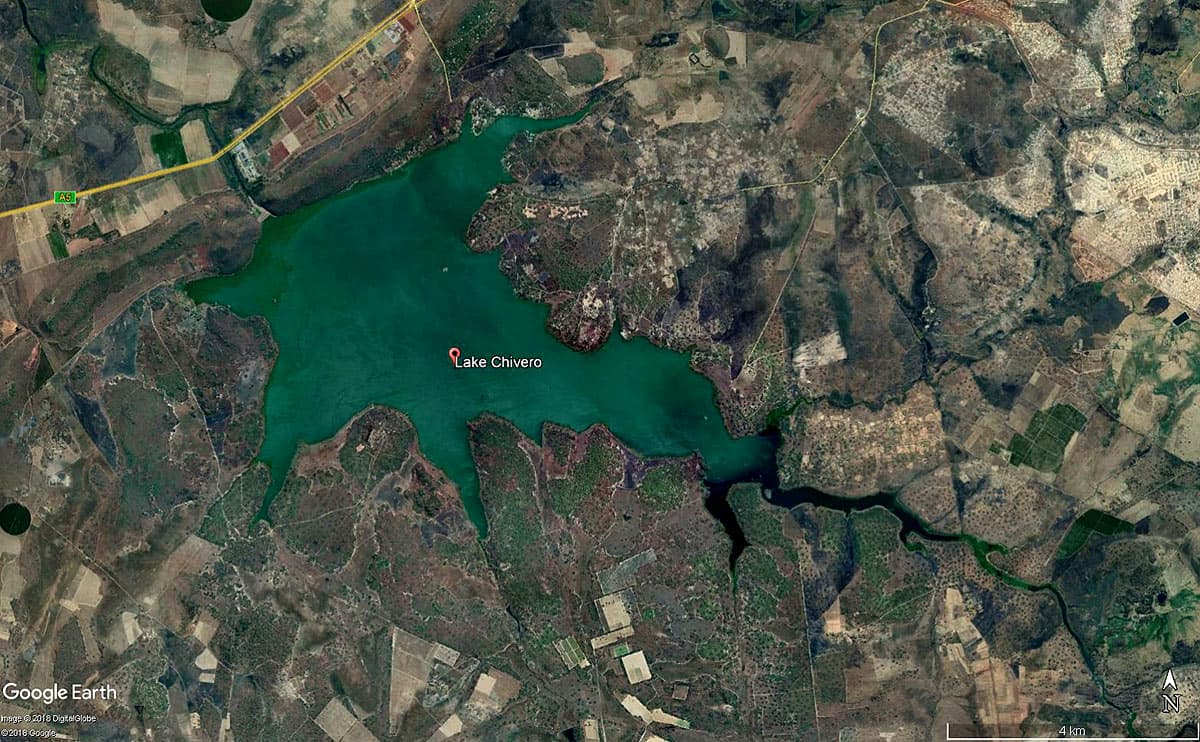
Zimbabwean environmental authorities have announced a National Water Summit aimed at addressing the country's escalating water pollution crisis, as industrial discharge, mining activities, and aging infrastructure continue to threaten freshwater sources nationwide.
The summit, organized by environmental organization Ecovision in partnership with government agencies, comes at a critical moment when several of Zimbabwe's major rivers and dams show alarming levels of contamination, according to preliminary assessments shared with stakeholders.
Industrial effluents, agricultural runoff, and uncontrolled mining operations have increasingly compromised water quality across the country, particularly in communities downstream from industrial centers and mining sites. The pollution has rendered some water sources unsafe for human consumption, livestock, and irrigation. "Water is life, and when we poison our water sources, we poison ourselves and future generations," said Environment Minister Nqobizitha Ndlovu during the summit announcement in Harare. "This summit represents a turning point in how we collectively address the threat to our water security."
The gathering, scheduled for next month, will bring together policymakers, industry representatives, mining operators, agricultural stakeholders, and community leaders to develop actionable solutions. Recent water quality monitoring has revealed elevated levels of heavy metals in rivers near mining operations, while untreated industrial discharge has affected urban water sources. Communities in mining regions have reported discolored water and fish kills, raising alarms about both environmental and public health implications. Small-scale and artisanal miners, who often operate without proper containment systems, have been identified as significant contributors to sedimentation and chemical pollution in rivers. Meanwhile, aging sewage treatment facilities in urban areas have periodically released untreated effluent into waterways. "The cumulative effect of decades of inadequate environmental controls is now visible in our rivers and dams," said Dr. Tafadzwa Mugadza, a water quality researcher at the University of Zimbabwe who has been consulted for the summit. "We're seeing ecological damage that will take years to reverse." The National Water Summit aims to produce concrete commitments, including strengthened enforcement of existing environmental regulations, investment in wastewater treatment infrastructure, development of best practices for mining operations, community-based water quality monitoring programs, and incentives for industries to adopt cleaner production methods. Ecovision CEO Patricia Murambinda emphasized that the crisis requires coordinated action. "No single entity can solve this alone. Government, industry, and communities must work together with a shared understanding that clean water is a non-negotiable foundation for health, agriculture, and economic development." The water crisis carries significant economic implications. Agriculture, the backbone of Zimbabwe's economy, depends heavily on reliable clean water for irrigation and livestock. Contaminated irrigation water can introduce pollutants into food crops, while livestock deaths from poisoned water sources have already been reported in some mining-affected areas. Public health experts warn of increasing waterborne diseases in communities forced to rely on contaminated sources. Children and pregnant women face particular vulnerability to pollutants like lead and mercury, which can cause developmental problems. Summit organizers hope to establish a national water quality monitoring framework that provides transparent, accessible data to communities. They also aim to secure commitments from industrial and mining sectors to adopt technologies that minimize water pollution. The Ministry of Environment has indicated it will use the summit to gather input for updated water quality regulations currently under development. Environmental inspectors have recently intensified monitoring efforts at industrial facilities and mining operations, issuing violation notices where pollution exceeds legal limits. For communities living near polluted waterways, the summit represents hope that their concerns will finally translate into action. "We drink this water. Our children bathe in it. Our livestock depends on it," said Mai Chipanga, a community health worker from a mining-affected area who plans to attend. "We cannot wait any longer for clean water. The time for action is now." Source: This article is based on reporting originally published by The Anchor, Zimbabwe, March 12, 2026. Additional context from environmental monitoring agencies and public health sources.