A low-cost, community-driven technology is quietly transforming water access across arid Africa — and it could be scaled up across the continent.
Sand dams have emerged as an effective method for addressing water scarcity, particularly in arid and semi-arid regions. While these structures are most popular in the northern parts of Kenya, their benefits extend to various countries across Africa facing similar challenges. By capturing and storing rainwater, sand dams offer a sustainable solution to improve water access, enhance agricultural productivity, and support community resilience.
What Are Sand Dams?
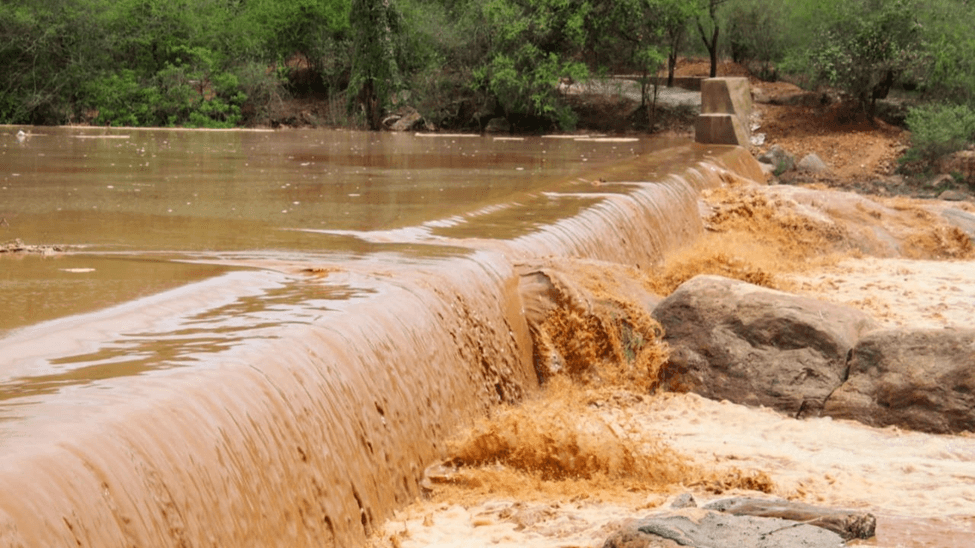
A sand dam is a reinforced rubble cement wall built across the bed of a seasonal sandy river. This structure captures rainwater and allows sand to accumulate behind it, creating a reservoir of water that recharges groundwater supplies. Sand dams are low-cost, low-maintenance technologies that minimize evaporation and improve water quality by filtering through the sand. They are particularly well-suited for rural areas with a semi-arid climate, providing a reliable source of water during dry periods.
Organizations such as the Utooni Development Organization and The Water Project have played crucial roles in promoting sand dam construction in Kenya, demonstrating their effectiveness in alleviating water scarcity and supporting sustainable development goals.
The Impact of Sand Dams
Enhanced Water Access: Sand dams significantly reduce the time and distance required to collect water, allowing communities to access a reliable source within 30-90 minutes of their homes.
Improved Food Security: By providing water for irrigation, sand dams enable farmers to adopt sustainable agricultural practices such as inter-cropping and crop diversification, leading to increased yields and better nutrition for families.
Economic Growth: With improved agricultural output, families can generate income by selling surplus produce at local markets, facilitating economic development and self-sufficiency.
Community Health: Access to clean water reduces the incidence of waterborne diseases, enhancing overall health and well-being in communities.
Environmental Benefits: Sand dams contribute to soil conservation and help combat desertification by recharging groundwater and enabling sustainable land management.
How Sand Dams Are Constructed
Site Selection: The first step is choosing an appropriate site, typically along a seasonal river with sandy sediment and suitable topography. Ideal locations have a slight slope (2-4%) and are underlain by bedrock.
Engineering and Design: Technical planning focuses on the design of the dam, including the materials to be used, dimensions, and structural integrity.
Excavation and Construction: Construction begins with excavation to prepare the riverbed. The dam wall is built using locally available materials such as cement, stones, and sand. The wall is designed to withstand seasonal flooding and accumulate sand and water behind it.
Water Management: Once the dam is constructed, a water management committee is established to oversee its operation and maintenance. This includes training community members on water usage, monitoring, and ensuring the dam's sustainability.
Monitoring and Evaluation: Continuous monitoring of the dam's performance and the surrounding environment helps assess its impact and identify necessary adjustments or improvements.
A Solution for the Whole Continent
Although Kenya leads in sand dam implementation, other African countries can also benefit from this innovative water conservation method. Countries such as Zimbabwe, Botswana, Tanzania, Ethiopia, and Sudan have similar climatic conditions and challenges related to water scarcity. Implementing sand dams in these regions could help combat desertification, support sustainable land management, and improve food security.
Sand dams represent a sustainable, community-driven solution to the pressing challenge of water scarcity in Africa. Their successful implementation in Kenya and other countries highlights their potential to transform lives and landscapes. With the right support and investment, nations across Africa can adopt this approach, paving the way for improved water security, food production, and economic resilience in the face of climate change.