
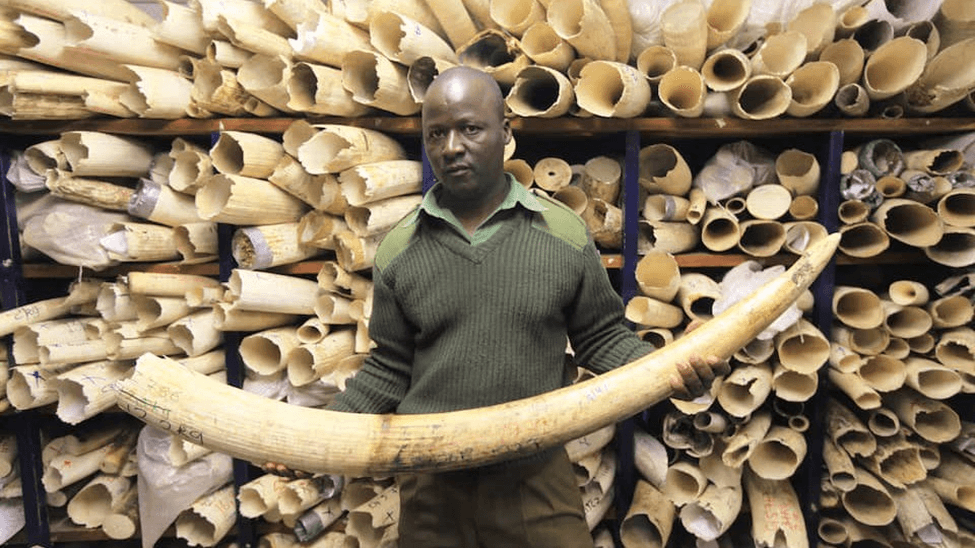
More than 130 tonnes of ivory worth an estimated $600 million sit locked in Zimbabwe's vaults — a consequence of the 1989 CITES ban that raises difficult questions about conservation and sovereignty.
Since the implementation of the Convention on International Trade in Endangered Species (CITES) ban on ivory trade in 1989, Zimbabwe has accumulated a significant stockpile of ivory. Zimbabwe Parks & Wildlife Management Authority (ZimParks) reports that over 130 tonnes of ivory, valued at approximately USD $600 million, is currently stored in their vaults in Harare.
This surplus has become a contentious issue, with ZimParks Director General Fulton Mangwanya expressing concerns over the growing quantities of ivory resulting from the ban, along with natural elephant mortality and management practices. During a recent signing ceremony, he stated, "The vault is now full of ivory. I don't know what to do with it."
Zimbabwe, home to the second-largest elephant herd in the world with over 84,000 elephants - 45,000 of which are in Hwange National Game Park - faces significant challenges in managing this idle stockpile.
Understanding the CITES Framework
The ban, designed to protect endangered species and curb illegal wildlife trade, has far-reaching consequences not only for conservation efforts but also for countries like Zimbabwe that are heavily impacted by its regulations.
Key terms and conditions of the framework include:
Appendix I Listing: African elephants are listed in CITES Appendix I, which prohibits international trade in specimens of these species except under exceptional circumstances.
Legal Exceptions: Limited exceptions may exist, such as for scientific research or for certain populations under Appendix II, which allows trade under strict regulations.
National Legislation: Countries are required to implement their own laws to enforce CITES provisions, which may include penalties for illegal trade.
Permits and Certificates: Trade in ivory requires permits, and countries must ensure that these are only issued for legal and sustainably sourced ivory.
Monitoring and Reporting: CITES parties must report on trade and stockpiles of ivory to facilitate monitoring and ensure compliance.
Handling Ivory from Deceased Elephants
Ivory from deceased elephants, particularly those that have died of natural causes, is subject to specific regulations. Owners of ivory from deceased elephants must have documentation proving the legal origin of the ivory. Trade in such ivory generally requires permits to ensure compliance with CITES regulations.
Importantly, allowing trade in ivory from deceased elephants can potentially create loopholes that may be exploited for illegal ivory from poached elephants. Some countries maintain stockpiles of ivory from natural deaths; these stockpiles are often monitored and regulated to prevent illegal trade.
While ivory from deceased elephants can legally be possessed and traded under certain conditions, strict regulations are in place to ensure that it does not contribute to illegal poaching or trade. Compliance with CITES and national laws is essential for the conservation of elephant populations.
As the conversation around ivory trade and wildlife management continues to evolve, Zimbabwe's growing stockpile serves as a powerful symbol of the tensions between global conservation frameworks and the on-the-ground realities facing African nations.