Environmental DNA (eDNA) is revolutionizing African conservation by allowing scientists and local communities to detect hidden or endangered species simply by analyzing the microscopic genetic traces they leave behind in a single cup of water. This non-invasive, cost-effective tool is democratizing data collection and transforming how we monitor and protect the continent's biodiversity.
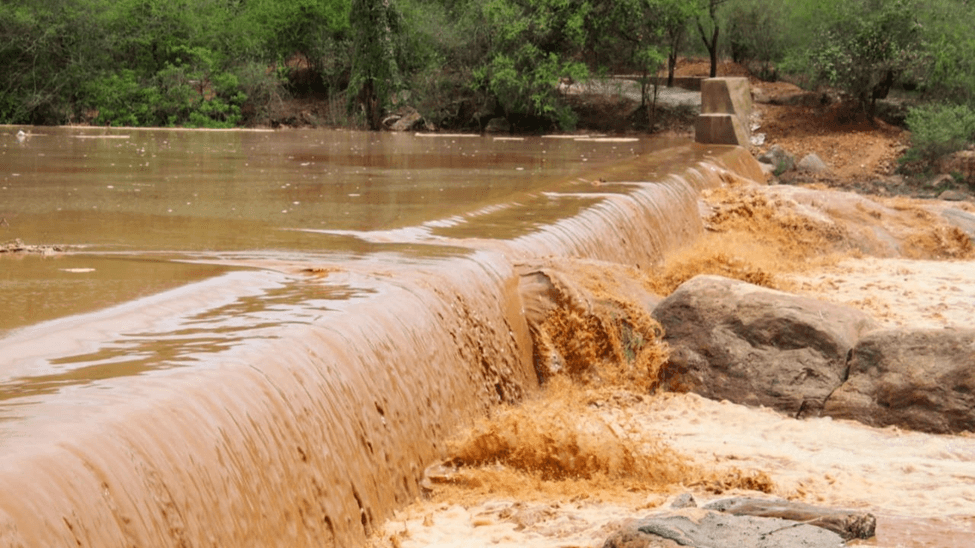
In the muddy waters of the Zambezi River, invisible clues float undetected. A scale from a tiger fish. Skin cells from a passing hippopotamus. Mucus from a rare amphibian clinging to a rock. To the naked eye, it's just murky water. But to a scientist armed with the tools of environmental DNA (eDNA) analysis, that single cup of water holds a complete census of the river's hidden life.
This is not science fiction. It is the present; and future, of conservation monitoring in Africa.
What Exactly Is Environmental DNA?
Every living organism, from the smallest fish to the largest mammal, constantly sheds its biological signature into the environment. These microscopic traces, skin cells, hair, scales, mucus, feces, and even respiratory secretions, contain DNA, the genetic blueprint unique to each species.
Environmental DNA (eDNA) is the scientific practice of collecting samples from water, soil, sediment, or even air, then extracting and sequencing this genetic material. The result? A comprehensive list of which species have been present in that location, often within the last few days or weeks.
Think of it as a "biological barcode scanner" for nature. Instead of deploying expensive camera traps for months, setting countless nets, or conducting labor-intensive field surveys, researchers can now collect a few liters of water, preserve it properly, and send it to a lab for genetic sequencing. The data reveals exactly which fish, amphibians, reptiles, birds, and mammals have recently passed through.
"The power of eDNA is that it turns every water body into a natural recording device," explains Dr. Sarah Mwangi, a conservation geneticist at the University of Nairobi. "The environment itself collects the evidence. We just need to learn how to read it."
Why eDNA Is a Game-Changer for African Conservation
Africa faces unique conservation challenges: vast landscapes, limited monitoring budgets, difficult terrain, and an urgent need to protect some of the planet's most iconic and endangered species. Traditional wildlife monitoring methods—while valuable—are often expensive, time-consuming, and require significant human resources.
eDNA offers a revolutionary alternative. Here's why it matters for Africa:
1. Finding the Elusive Without Disturbance
Many of Africa's most threatened species are also the hardest to find. Rare riverine fish in the Congo Basin, nocturnal amphibians in Madagascar's rainforests, or cryptic mammals in dense wetlands can evade detection for years.
With eDNA, scientists can confirm the presence, or alarming absence, of these species without ever capturing, handling, or stressing them. This is particularly crucial for critically endangered species where every individual matters, and traditional survey methods might cause more harm than good.
For example, researchers in South Africa have successfully used eDNA to detect the presence of the endangered geometric tortoise in fragmented habitats, providing data that would have taken years to gather through conventional field surveys.
2. Early Warning Against Invasive Species
Africa's freshwater ecosystems are under siege from invasive species; from water hyacinth choking Lake Victoria to predatory fish disrupting native ecosystems in the Zambezi. The earlier an invasion is detected, the better the chances of containment.
eDNA acts as an early-warning system. Because genetic traces can be detected even when only a few individuals of an invasive species are present, managers can identify threats before they become visible ecological disasters. This allows for rapid response, removing the invaders before they establish breeding populations and cause irreversible damage.
3. Empowering Local Communities as Data Collectors
One of eDNA's most transformative aspects is its accessibility. Collecting a water sample doesn't require a PhD. With proper training, local community rangers, indigenous monitors, and citizen scientists can collect high-quality eDNA samples from remote rivers, wetlands, and waterholes across the continent.
This democratizes conservation science. Instead of waiting for international research teams to visit once a year, local communities can generate continuous, real-time data about their natural resources. This shifts the power dynamic: African communities become the primary generators and owners of conservation data about their own lands and waters.
"We're training community conservancy members in Namibia to collect eDNA samples from seasonal waterholes," says conservation practitioner James Kaveze. "They're not just protectors of wildlife anymore, they're scientists generating data that informs national policy. That's powerful."
4. Cost-Effective Monitoring at Scale
Budget constraints are a reality for conservation across Africa. eDNA offers a way to do more with less. A single field team can collect dozens of water samples in a day, covering a much larger geographic area than traditional survey methods. When processed in bulk, the cost per species detection can be significantly lower than months of camera trap deployment or repeated field expeditions.
This efficiency is critical for monitoring progress toward international conservation targets, such as the Kunming-Montreal Global Biodiversity Framework's goal to protect 30% of the planet's land and oceans by 2030 (the "30x30" target). African nations need affordable, scalable tools to track whether their protected areas are actually conserving biodiversity—and eDNA provides exactly that.
The Science Behind the Story: How Does It Work?
While the concept is simple, the science is sophisticated. Here's the basic process:
Sample Collection: A researcher (or trained community member) collects water from a river, lake, or wetland, taking care to avoid contamination. The sample is immediately preserved—often with a special buffer solution or by freezing—to prevent DNA degradation.
Filtration & Extraction: In the lab, the water is filtered to capture organic material. Scientists then use chemical processes to extract the DNA from cells, mucus, and other biological material trapped in the filter.
Sequencing & Analysis: Using advanced genetic sequencing technology (often targeting a specific gene region called the "barcode" region), scientists read the DNA sequences. These are then compared against reference databases—libraries of known genetic codes for different species.
Results: The output is a list of species detected in the sample, often with information about relative abundance (though this is still an area of active research).
The entire process, from field collection to final results, can take anywhere from a few weeks to a couple of months, depending on lab capacity and sequencing turnaround times.
Challenges and Considerations
eDNA is not a magic bullet. Several challenges remain:
Reference Databases: For eDNA to work, scientists need comprehensive genetic reference libraries. While databases for European and North American species are robust, African biodiversity is often underrepresented. Building African-led genetic reference libraries is a critical priority.
Environmental Factors: DNA degrades faster in warm, turbulent, or UV-exposed water. In tropical African rivers, the "detection window" might be shorter than in cooler climates, requiring careful timing of sample collection.
Capacity & Infrastructure: Sequencing requires specialized laboratory equipment and expertise. While sample collection can be decentralized, analysis often requires sending samples to well-equipped labs, which can be costly and logistically challenging.
Data Sovereignty: As African nations generate more genetic data, questions arise about who owns it, who benefits from it, and how to prevent "biopiracy", the exploitation of genetic resources without fair compensation to source countries and communities.
Despite these challenges, the trajectory is clear: eDNA technology is becoming more affordable, more accessible, and more powerful every year.
The Future: African-Led eDNA Innovation
The most exciting developments in eDNA are coming from within Africa itself. Universities in South Africa, Kenya, Zimbabwe, and Nigeria are building local sequencing capacity. Conservation organizations are training the next generation of African conservation geneticists. And tech hubs are developing mobile apps and field protocols tailored to African contexts.
This is not about importing Western technology, it's about adapting and innovating tools that serve African conservation priorities, on African terms.
"We don't want to just be sample collectors for labs in Europe or North America," says Dr. Mwangi. "We're building the infrastructure, training the scientists, and creating the reference databases right here. African biodiversity deserves African-led science."