Water Restoration Zimbabwe (WRZ), led by CEO Tapiwa Nyandoro and CTO Ben Lee, is proposing a public-private partnership using patented Naias nanobubble technology to eradicate toxic algal blooms, restore oxygen levels, and provide off-grid potable water to struggling communities.
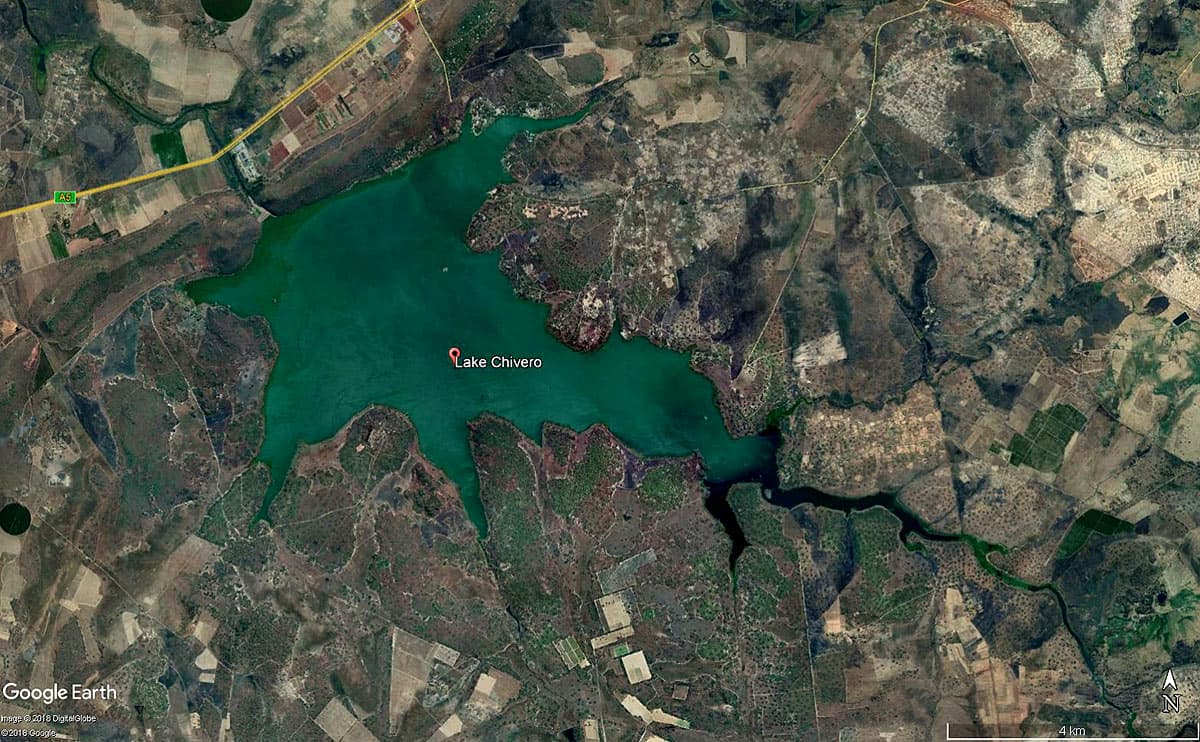
Lake Chivero was once Harare’s pride, a source of drinking water, a haven for fishing and tourism, a place where families gathered. Today, it is a public health emergency. Raw sewage from the city’s crumbling pipes pours in daily, industrial waste goes untreated, and fertilizer run‑off has turned the water toxic. The numbers are stark, the lake now ranks among the ten most polluted in the world. In late 2024 alone, poisonous blue‑green algae killed four rhinos, three zebras and countless fish. The fishing ban remains in place. And the government admits that toxins from the lake are contributing to deaths at rates fifteen times higher than local mortality rate of HIV. Authorities, environmental experts, and communities alike recognize the need for urgent and sustainable solutions.
Into this challenge steps Water Restoration Zimbabwe (WRZ), a Harare‑based company distributing US‑developed Naias nanobubble technology (www.waterrestorationzim.com). Ben Lee, WRZ’s Chief Technology Officer, says the Naias solution works better than chemicals. “Through patented Naias process, ozone (O3) are introduced to water which eliminates toxins, and this O3 converts to O2 (oxygen), O3 losing a molecule as the nanobubbles implode inside the water, disinfecting and providing oxygen to an oxygen‑starved lake.
This process is 100% natural without leaving ecological footprint.” The system works by generating trillions of ultrafine nanobubbles that produce hydroxyl radicals from ozone (O3); powerful oxidizing agents that kill algae, bacteria and pathogens without leaving harmful residues without any side effect other than increased oxygen level which is always beneficial to Lake Chivero. An example of this has been reported by other news outlet as reported https://youtu.be/3-UPuIxBFk8 in Florida, USA.
Independent tests by the US National Oceanic and Atmospheric Administration showed the technology eradicated all algae and bacteria within sixteen minutes, raising dissolved oxygen from 3.8 parts per million to 16 parts per million. In Australia, a residential lake saw 95% of its algal bloom removed in forty‑eight hours using Naias’s smallest unit, with oxygen levels jumping from 4 ppm to 28.5 ppm. These results suggest the technology could complement existing water treatment and restoration efforts in Zimbabwe. Crucially, unlike chlorine, which can linger for months and damage ecosystems, the Naias restoration process leaves nothing behind but cleaner water.
Lee is realistic about the challenge. “How long it would take to clean Lake Chivero depends on scalability of Naias implementation – more Naias units will be faster than less number of units,” he says. With sufficient number of multiple treatment barges deployed across the lake, he estimates a full restoration could take about nine months, provided the technology can outpace the raw sewage still flowing in from the town’s broken sewage system. “While Naias has to outpace the sewage that is coming into Lake Chivero, Naias can be used to treat wastewater at the treatment plants, addressing both the cause and the effect of Lake Chivero contamination.”
The goal for WRZ is to bring Naias technology to Harare for localized manufacturing, using local labour and components. This will drive down costs and create jobs while giving the city a new revenue stream by offering the same solution to other municipalities across Zimbabwe, and potentially other countries within Africa. WRZ has plans of filing patents with African Regional Intellectual Property Organization (ARIPO) who is head office is in Harare and other non-ARIPO member countries like South Africa.
The City of Harare has publicly acknowledged the seriousness of the challenges facing Lake Chivero and the city's water and wastewater systems. Mayor Jacob Mafume has noted the pressures created by rapid population growth and the need for continued investment in infrastructure upgrades. These challenges have prompted discussions at both municipal and national levels regarding solutions that can improve water quality and protect public health.
Meanwhile, the Environmental Management Agency has been left with no choice but to fine the Harare City Council for the declining water quality of the lake. The situation has become alarming enough to prompt the central government to mobilize a US$250 million emergency sewer rehabilitation fund. While the troubles roll on some residents have abandoned municipal taps entirely, drilling boreholes even as experts warn groundwater is also being contaminated by the same pollutants leaching from the lake.
The relevance of Naias in the current context is overwhelming. It offers potable water solution that can be implemented off-grid, in situ, as a temporary or permanent independent solution. Tapiwa Nyandoro, CEO for WRZ says, “Naias has converted contaminated water to potable water, off-grid, producing 100,000 liters per day with the smallest unit, Naias N-5 and based on 50 liters per per person per day, able to support community of 2,000. If used Naias N-15, able to produce 300,000 L/d for community of 6,000 people, off-grid, tapping into Lake Chivero.”
WRZ believes a public‑private partnership could break the deadlock. Lee notes that the city “doesn’t know who to trust” overwhelmed by competing technologies. Nyandoro added, “We [WRZ] recently finalized Naias technology validation and assessment with the Institute of Water and Sanitation Development [https://instituteofwater.co.zw/] and look forward to presenting the validated finding of Naias to the stakeholders.” Nyandoro continued “We [WRZ] are not seeking vendor-customer relationship, but public-private partnership with localized manufacturing of Naias technology and ARIPO patent filing.”
For now, Lake Chivero remains one of Zimbabwe’s most pressing environmental challenges. Yet with growing recognition of the problem, increased investment, and collaboration between the public and private sectors, there is renewed hope that practical and sustainable solutions can help restore this vital national resource.
For more information, please go to WRZ website: https://www.WaterRestorationZim.com
