How community conservancies and innovative anti-poaching strategies have brought one of Africa's most endangered species back from the brink.
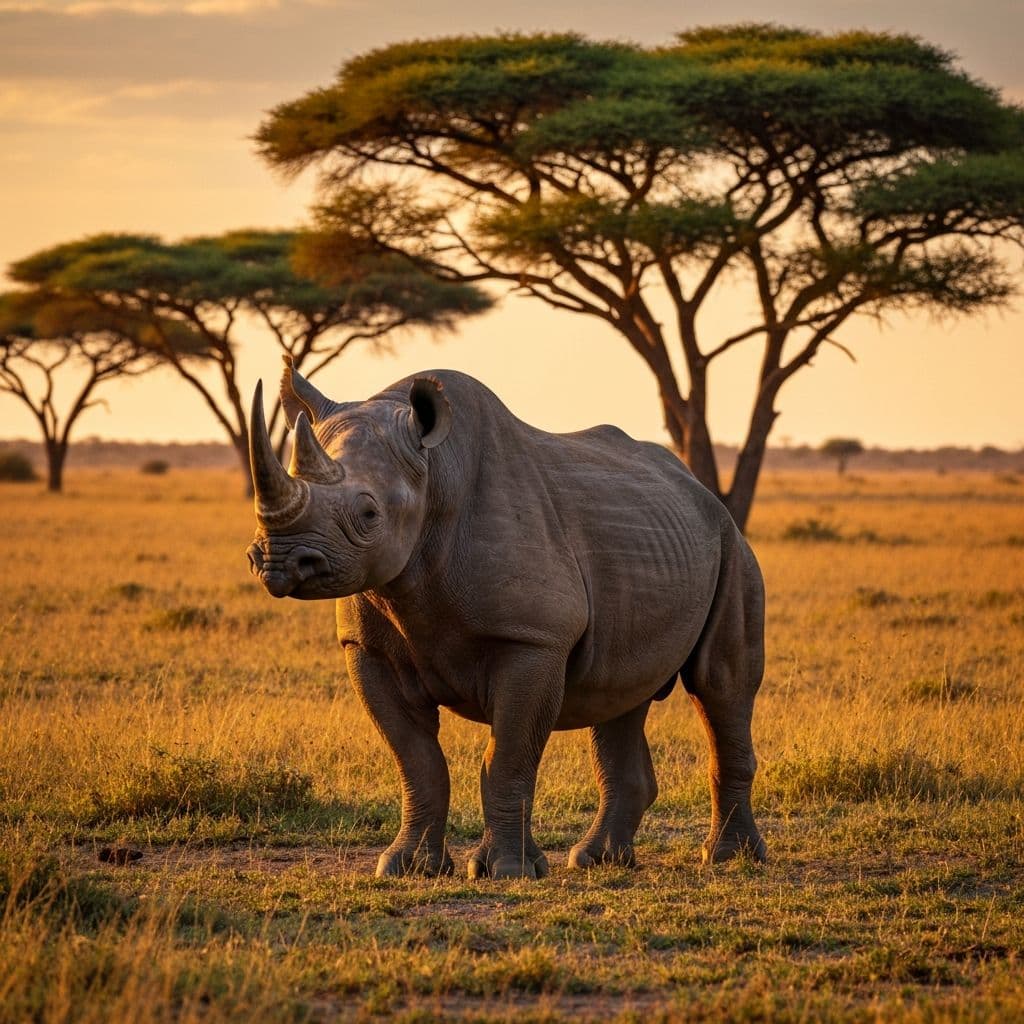
In the rugged terrain of Namibia's Kunene Region, a conservation success story is unfolding. The black rhino, once hunted to near extinction with fewer than 2,500 individuals remaining globally in the 1990s, is making a remarkable comeback thanks to an innovative model that puts local communities at the heart of protection efforts.
The Kunene region now hosts one of the largest free-roaming black rhino populations in Africa. This achievement didn't happen by accident. It's the result of decades of careful management, community engagement, and a revolutionary approach that treats wildlife as a communal asset rather than a government resource.
"When we gave communities legal rights over wildlife and tourism revenue, everything changed," explains Dr. Simson Uri-Khob, CEO of Save the Rhino Trust Namibia. "Poaching dropped dramatically because people had a direct economic stake in keeping rhinos alive."
The community conservancy model has created over 5,000 jobs in the region, from rhino trackers to hospitality workers at eco-lodges. These jobs often pay better than alternatives like livestock herding, which can conflict with wildlife.
The tracking teams, many of them former poachers, now patrol vast wilderness areas on foot, monitoring rhino populations and reporting any suspicious activity. Their intimate knowledge of the terrain and animal behavior makes them invaluable allies in conservation.
But challenges remain. Climate change is altering the desert ecosystem, and international demand for rhino horn persists despite bans. The conservancies are adapting by diversifying their economies and investing in climate-resilient infrastructure.
"This isn't just about saving rhinos," says community leader Martha Tjirambi. "It's about proving that conservation can work for people too. Our children have a future here because of wildlife."