Namibia's decision to cull wildlife to feed drought-stricken communities has sparked global debate — but also shines a light on Africa's growing self-determination in resource management.
In the face of the severe El Nino-induced drought, Africa is showcasing its capability to manage natural resources autonomously, leveraging them for community benefit without relying on Western intervention. A recent initiative by Namibia illustrates this growing self-sufficiency in resource management, particularly in the context of wildlife conservation and drought relief.
The Context of Namibia's Drought Relief Program
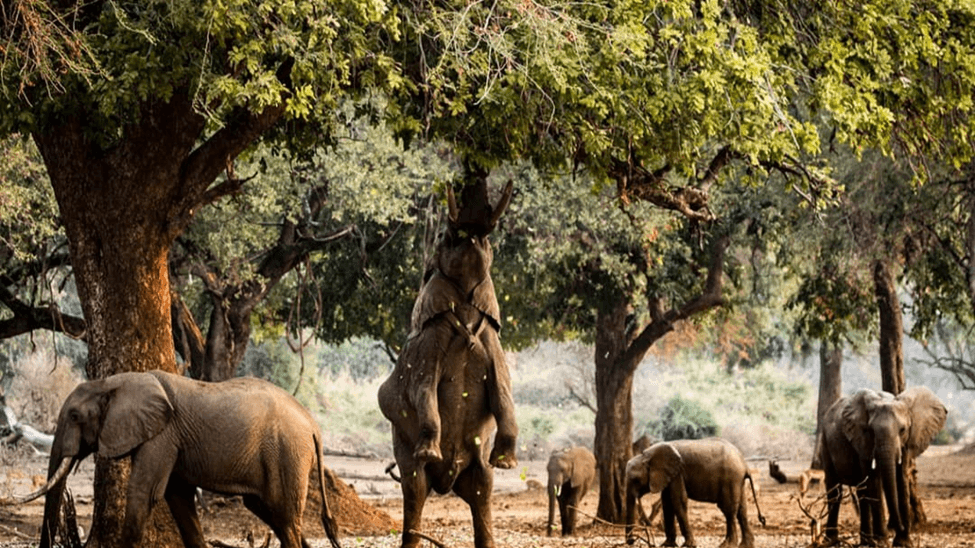
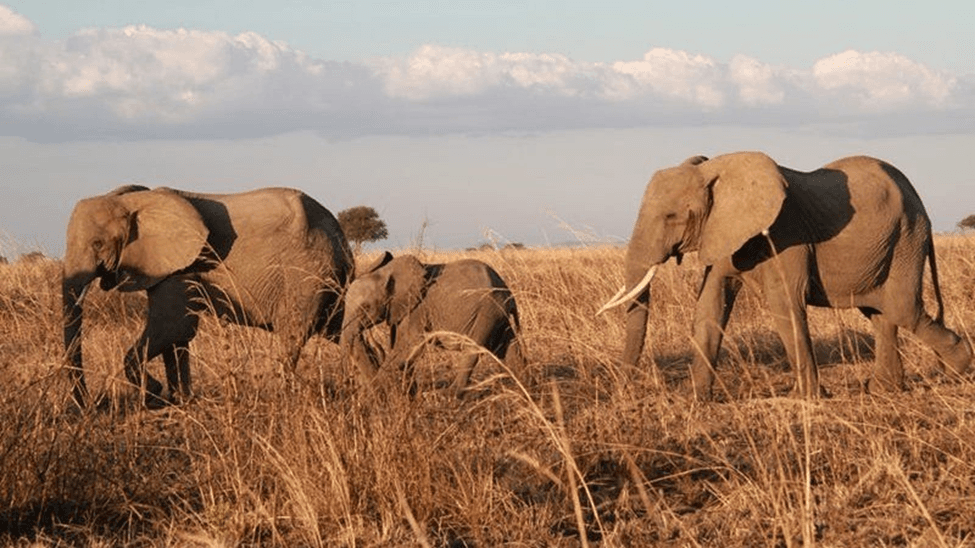
As Namibia and the rest of Southern Africa continues to grapple with an unprecedented drought, the Ministry of Environment, Forestry and Tourism has taken decisive action to support local communities. With Cabinet approval, the Ministry will cull 723 wild animals - including elephants, hippos, and zebras - to provide game meat for drought relief. This initiative is not just a response to immediate needs but reflects a broader strategy to manage wildlife populations sustainably while addressing human-wildlife conflict.
A Model of Self-Determination
Historically, external influences have often dictated how African nations manage their resources. However, Namibia's current approach is a testament to its commitment to self-determination. The culling of 83 elephants, for instance, is part of a carefully considered plan to mitigate human-wildlife conflict while simultaneously providing vital nutrition to communities affected by the drought. This decision underscores the capacity of African nations to prioritize local needs over foreign interests.
Sustainable Management Practices
The culling process is conducted by professional hunters and safari outfitters contracted by the Ministry, ensuring that the operation is both ethical and efficient. By sourcing animals from national parks and communal areas, Namibia is not only addressing immediate food shortages but also managing wildlife populations to prevent overgrazing and water depletion.
This proactive approach aligns with broader conservation goals. By reducing wildlife numbers in areas where resources are strained, Namibia demonstrates a nuanced understanding of ecological balance.
Key sustainable practices include: thorough ecological assessments before any culling is initiated; meaningful involvement of local conservancies and community-based organizations in decision-making; the establishment of buffer zones and compensation schemes to reduce human-wildlife conflict; and ethical culling standards that ensure harvested meat is fully distributed to communities in need.
Economic and Nutritional Benefits
The provision of game meat to drought-affected communities is not merely a stopgap measure; it speaks to a sustainable model where natural resources directly benefit local populations. This initiative contributes to poverty reduction and improves nutrition, showcasing how conservation efforts can yield tangible benefits for communities.
Moreover, the involvement of local conservancies in this process highlights a growing trend in Africa: the empowerment of local stakeholders to manage resources. This shift not only fosters economic development but also encourages a sense of ownership and responsibility towards natural resources.
Diverse Perspectives
The decision sparked significant debate. Many observers view the culling as a pragmatic solution to an urgent problem, arguing that Namibia is employing a conservation strategy rather than merely preserving wildlife at the expense of human lives. Others have raised ethical concerns regarding the culling of wildlife for food and the risk of over-harvesting.
Namibia's response to drought through wildlife culling exemplifies the continent's growing independence in resource management. By prioritizing local needs and employing sustainable practices, Africa is setting an example for the world. As Africa navigates these challenges, it becomes increasingly clear that the future of resource management lies in the hands of its people.