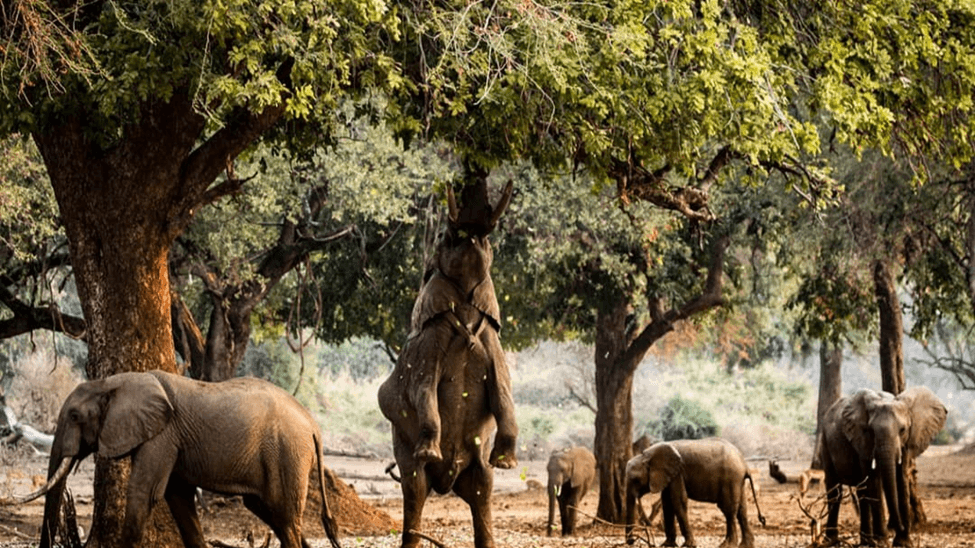
As drought tightens its grip and human-wildlife conflict escalates, Zimbabwe's decision to cull 200 elephants is forcing a difficult conversation about sustainable wildlife management.
Zimbabwe is preparing to cull 200 elephants in response to severe drought conditions and rising ecological pressures, a decision announced by Environment Minister Sithembiso Nyoni in parliament. This announcement has ignited significant debate, especially in light of similar measures taken in neighboring Namibia.
The Rationale Behind the Cull
Officials argue that the cull is necessary to manage Zimbabwe's elephant population, which currently exceeds ecological limits. Tinashe Farawo, spokesperson for the Zimbabwe National Parks and Wildlife Management Authority, stated, "If you look at our ecosystem, what it can support, and what we have on the ground, it doesn't match." With approximately 84,000 elephants in the country, far surpassing the estimated sustainable population of 55,000, the government contends that action is essential to prevent further ecological degradation and human-wildlife conflicts.
Zimbabwe is experiencing one of its worst droughts in years, exacerbated by the El Nino phenomenon, which is projected to leave 7.6 million people at risk of hunger according to the World Food Programme. The increasing human need for resources has heightened tensions between the growing elephant population and the fragile ecosystems already under stress.
Human-Wildlife Conflict
The rising elephant population has led to increased human-wildlife conflicts, with reports indicating that elephant attacks resulted in 60 fatalities in 2023. As elephants continue to encroach on human settlements in search of food and water, the risk of conflict escalates. Such conflicts can lead to significant economic losses for local communities and can undermine conservation efforts.
The Controversy of Culling
While the government insists that the planned cull is a minimal response to a larger problem, animal rights organizations and conservationists have voiced strong opposition. Farai Maguwu, executive director of the Centre for Natural Resource Governance, argued that culling could facilitate illegal ivory trading and undermine conservation efforts. "Culling must be stopped," he asserted. "Elephants have a right to exist."
Elisa Allen, vice president of programs at PETA, echoed this sentiment, stating, "The effects of drought are devastating, but humans are outdoing nature's impact by choosing the most destructive way of dealing with it." She emphasized the complex social structures of elephant herds, noting that the removal of even a few individuals can lead to chaos, jeopardizing the stability of the entire group.
A Sustainable Approach?
The debate surrounding Zimbabwe's elephant cull raises important questions about sustainable wildlife management. While immediate solutions are necessary to address the growing conflicts and ecological pressures, long-term strategies that incorporate community engagement, habitat preservation, and alternative livelihoods could yield more effective outcomes. Research suggests that community-based conservation models, which incentivize local populations to protect rather than cull wildlife, can enhance both ecological and social resilience.
As Zimbabwe navigates this complex issue, the path forward must prioritize not only immediate crisis management but also long-term ecological health and community welfare.