From pangolins to painted dogs, Zimbabwe's specially protected species face mounting threats — but the country's conservation efforts offer a blueprint for resilience.
Zimbabwe is celebrated for its rich biodiversity, encompassing a diverse array of flora and fauna unique to the region. The country's varied ecosystems, from savannas and wetlands to mountains and forests, provide habitats for numerous species, many of which are endemic to the area. As a signatory to the Convention on Biological Diversity, Zimbabwe is committed to preserving its natural heritage and ensuring the sustainable use of its biological resources.
Zimbabwe Parks & Wildlife Management Authority (ZimParks) plays a crucial role in this endeavor, tasked with the protection and management of wildlife resources. Given the increasing threats posed by habitat loss, climate change, poaching, and illegal wildlife trade, the need for proactive conservation measures is more pressing than ever.
The Importance of Biodiversity
Biodiversity is essential for the health of ecosystems, providing stability and resilience against environmental changes. It supports crucial ecological processes such as pollination, nutrient cycling, and climate regulation. Diverse plant species contribute to soil health and fertility, enabling agricultural productivity, which is vital for food security in Zimbabwe.
In Zimbabwe, biodiversity is not just about the variety of species; it is integral to the livelihoods of local communities. Many rural communities depend on local ecosystems for food, medicine, and materials. Culturally, various species hold symbolic significance and are integral to local customs and practices.
Specially Protected Species in Zimbabwe
Under the Parks and Wildlife Act's Sixth Schedule, several species are classified as specially protected:
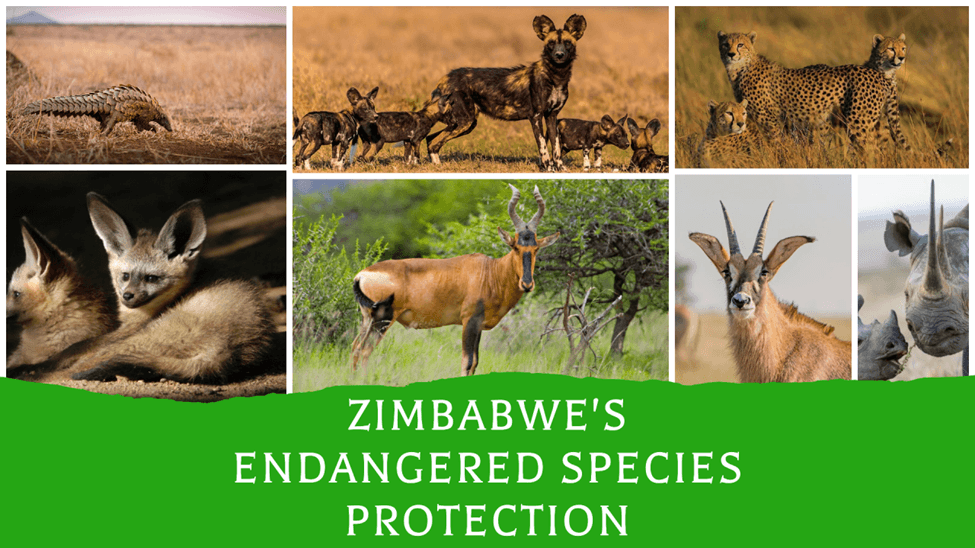
Cheetah (Acinonyx jubatus): The fastest land animal and a symbol of grace and agility. The cheetah faces a rapid decline due to habitat loss, human-wildlife conflict, and poaching. Protecting cheetah habitats and promoting coexistence with local communities are essential for their survival.
Pangolin (Manis temminckii): These unique mammals are known for their distinctive scales and insectivorous diet. They face severe threats from illegal wildlife trade, as their scales are highly sought after for traditional medicine. Protecting pangolins is crucial not only for their survival but also for maintaining ecological balance.
Roan Antelope (Hippotragus equinus): One of Africa's largest antelope species, characterized by its striking appearance and social behavior. Habitat loss and poaching have contributed to its decline. Conservation efforts focus on protecting their natural habitats and ensuring sustainable populations.
Gemsbok (Oryx gazella): With its long, straight horns and striking markings, the gemsbok is well adapted to arid environments. It faces threats from habitat encroachment and competition with livestock. Protecting gemsbok populations is vital for maintaining the ecological integrity of savanna ecosystems.
Lichtenstein's Hartebeest (Alcelaphus lichtensteini): Known for its unique shape and adaptability to various habitats, it is threatened by habitat degradation and hunting. Conservation strategies aim to restore its populations through habitat protection and community engagement.
African Rock Python (Python sebae): One of the largest snake species in the world. While generally not aggressive, it is often persecuted due to misconceptions about its nature. Conservation efforts focus on educating communities about the ecological role of pythons and protecting their habitats.
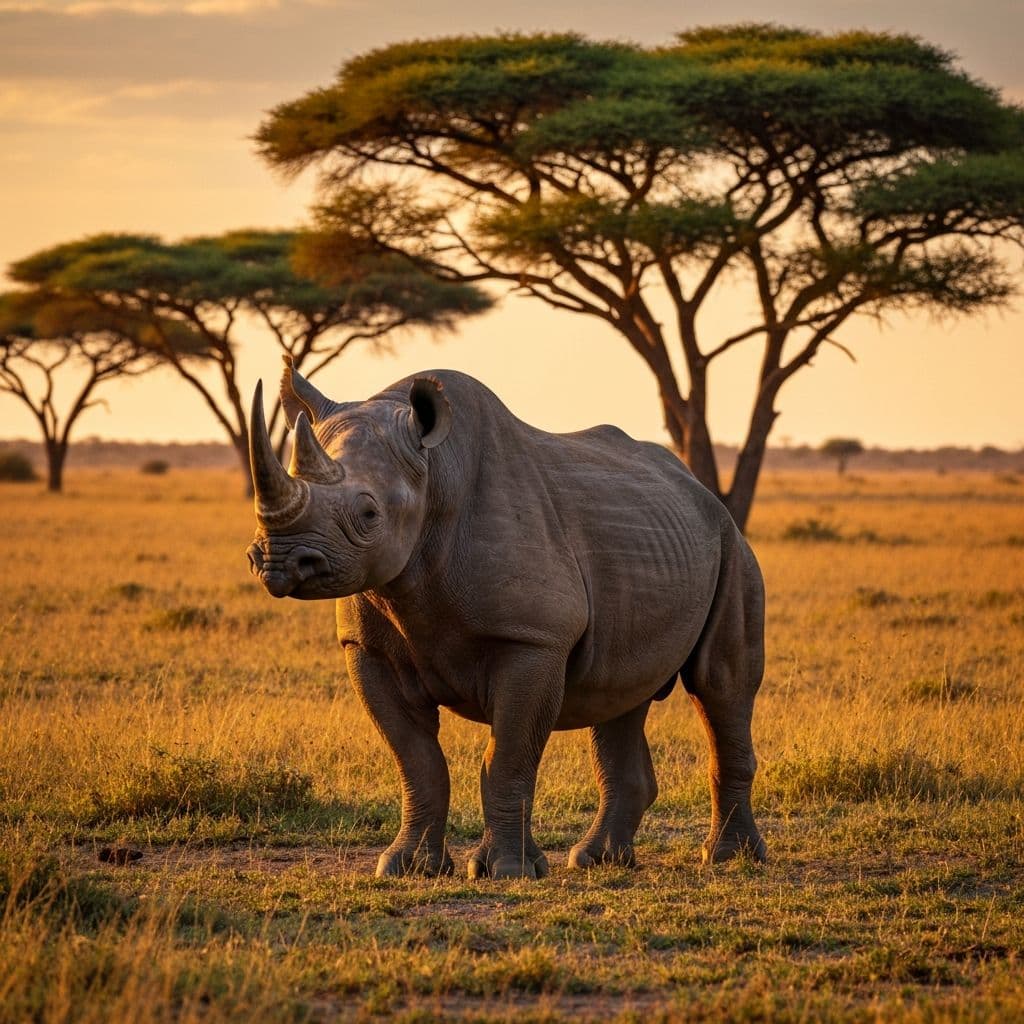
Black Rhinoceros (Diceros bicornis): Critically endangered, primarily due to poaching for its horn. Zimbabwe has made significant strides in protecting this iconic species through anti-poaching initiatives and habitat conservation. Continued efforts are essential to ensure the survival of the black rhino.
Aardwolf (Proteles cristatus): A small, insectivorous member of the hyena family that plays a crucial role in controlling insect populations. Habitat destruction and persecution pose threats to its survival. Protecting aardwolves contributes to maintaining ecological balance.
Bat-Eared Fox (Otocyon megalotis): Known for its large ears and nocturnal behavior, the bat-eared fox primarily feeds on insects and small mammals. It faces threats from habitat loss and fragmentation. Conservation efforts focus on preserving its habitats and promoting awareness of its ecological importance.
Painted Dog (Lycaon pictus): One of the most endangered carnivores in Africa. With a unique social structure and cooperative hunting techniques, they are vital for maintaining ecological balance. Conservation programs in Zimbabwe aim to protect their habitats and reduce human-wildlife conflict.
Conservation Efforts and Community Involvement
To safeguard these specially protected species, ZimParks has implemented various conservation measures, including the establishment and management of national parks and wildlife reserves; dedicated anti-poaching patrols to combat illegal wildlife trade; and community engagement through education and sustainable practices, fostering a sense of ownership over natural resources.
Protecting Zimbabwe's biodiversity is a shared responsibility that requires the collective efforts of government agencies, local communities, and conservation organizations. Continued commitment to conservation will not only benefit these species but also enhance the overall ecological health of the region, ensuring that future generations can enjoy the rich natural heritage of Zimbabwe.