As Africa faces the twin pressures of climate change and economic transformation, the framework of a 'just transition' offers a path toward inclusive, low-carbon growth.
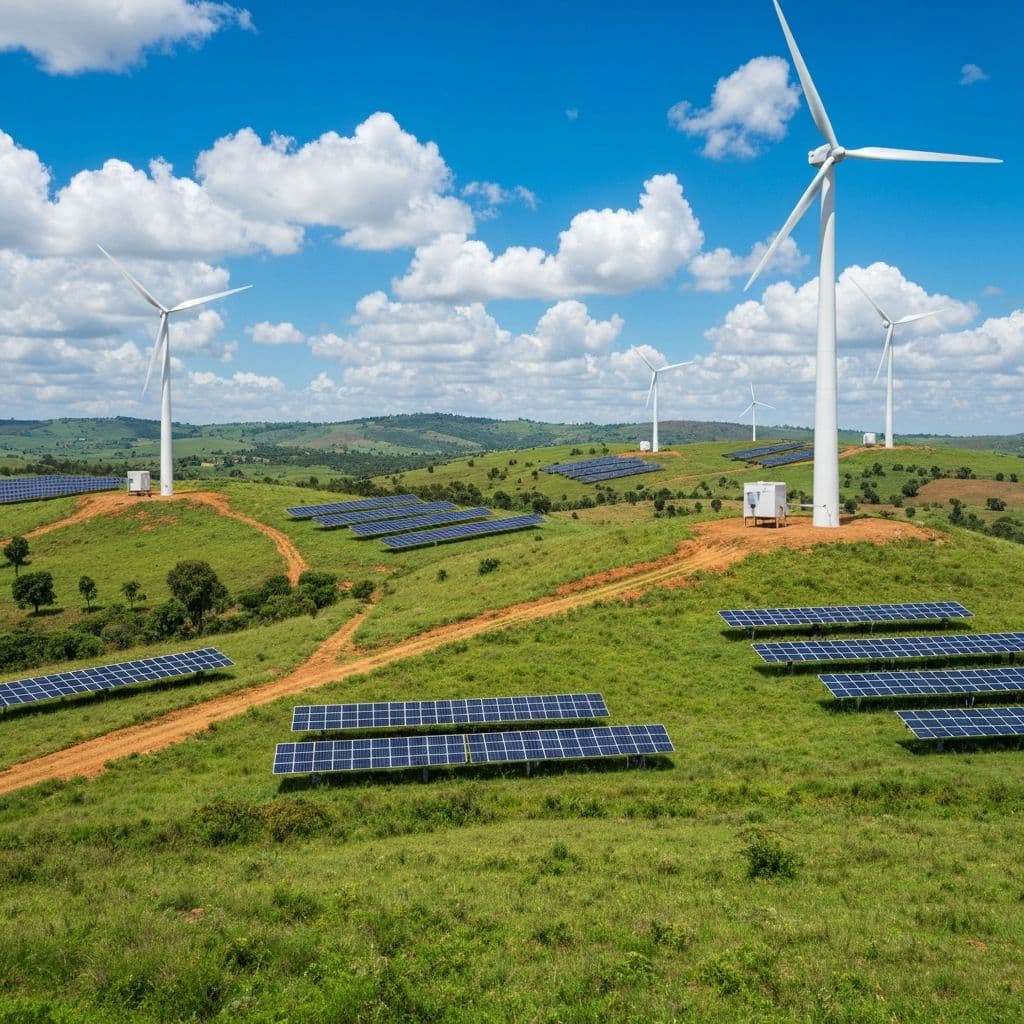
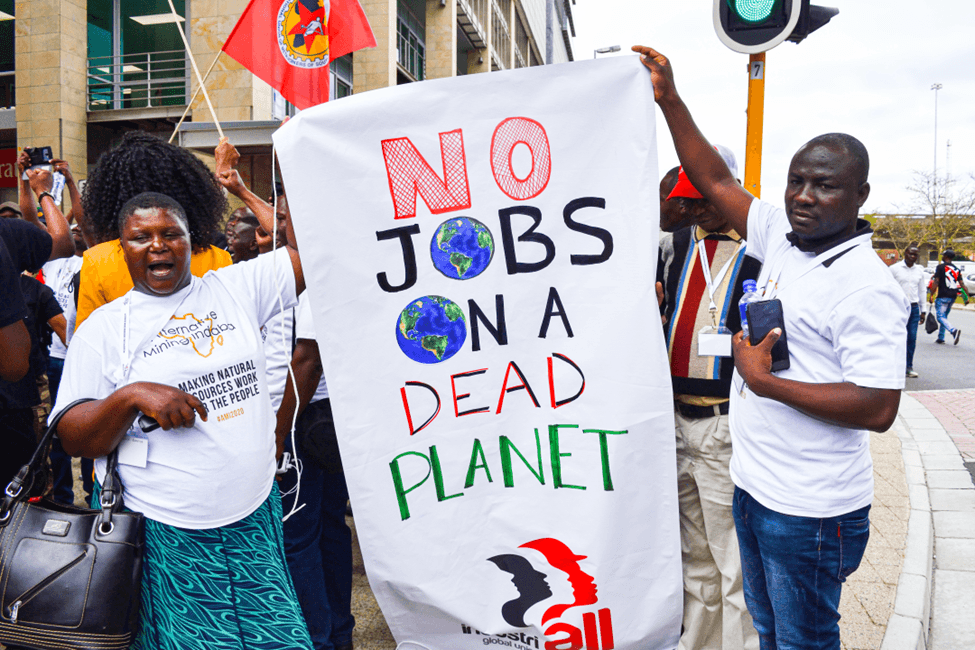
As Africa faces the daunting challenges of climate change, economic transformation, and social inequity, the concept of a "just transition" has gained increasing prominence across the continent. A just transition is a framework that aims to facilitate equitable access to the benefits and sharing of the costs of sustainable development, ensuring that the livelihoods of all people, including the most vulnerable, are supported and enhanced as societies transition to low-carbon and resilient economies. In the African context, a just transition is particularly crucial, as the continent is disproportionately affected by the impacts of climate change despite contributing the least to global greenhouse gas emissions. Moreover, Africa's economic development aspirations must be balanced with the need for environmental sustainability and social justice, making the principles of a just transition essential for the continent's sustainable and inclusive growth. Disproportionate Impacts, Shared Responsibility The African continent finds itself in a very unique and precarious position. While contributing only about 4% of global greenhouse gas emissions, it is disproportionately bearing the brunt of climate change's devastating effects. In the past decade, Africa has experienced a 30% increase in the frequency and intensity of extreme weather events, such as droughts, floods, and cyclones. These climate-related disasters have disrupted agricultural productivity, displaced millions of people, and eroded hard-won development gains across the continent. Yet, Africa's economic aspirations cannot be neglected. The continent's burgeoning youth population, which is expected to reach 830 million by 2050, and its growing middle class, projected to number 1.1 billion by 2060, seek greater prosperity, access to modern energy, and improved living standards. Balancing these development goals with the pressing need for environmental sustainability and social justice is where the principles of a just transition become pivotal. Key Principles of a Just Transition in Africa Equity and Social Justice: A just transition in Africa prioritizes equity and social justice, ensuring that the benefits of sustainable development are shared fairly among all stakeholders, particularly the most vulnerable populations. This includes marginalized communities, informal workers, and those whose livelihoods are directly affected by the transition to a low-carbon economy. Inclusive Economic Growth: It also promotes inclusive economic growth, creating decent jobs and opportunities for all, particularly in the green economy and sustainable industries. This is crucial for addressing the continent's high unemployment rates, particularly among youth, and ensuring that the transition to a low-carbon future is accompanied by meaningful economic opportunities. Environmental Sustainability: Prioritizes environmental sustainability, ensuring that the transition to a low-carbon economy is achieved in a way that is environmentally sustainable and resilient. This includes investments in renewable energy, sustainable infrastructure, and nature-based solutions that safeguard the continent's rich biodiversity and natural resources. Capacity Building: It also requires capacity building and capacity development, particularly in the areas of green finance, renewable energy, and sustainable infrastructure. This is essential for empowering African countries and communities to lead and drive the transition, rather than relying on external support. Initiatives and Strategies The African Development Bank launched the Just Transition Initiative to support African countries in their transition to a low-carbon and climate-resilient economy. The initiative aims to mobilize climate finance, promote renewable energy, and develop sustainable infrastructure while ensuring that the benefits of these investments are equitably distributed. Innovative and collaborative financing models are being explored to unlock climate finance and support the transition to a green economy in Africa. This includes the development of green bonds, climate funds, and blended finance mechanisms that can leverage public and private resources for sustainable development. Africa is prioritizing renewable energy as a key component of its energy mix, with a focus on solar, wind, and hydroelectric power. This shift towards renewable energy is not only crucial for addressing climate change but also for improving energy access and security, particularly in rural and underserved communities. Challenges Ahead Financing is a major challenge for a just transition in Africa, with a significant gap between the required funding and available resources. Estimates suggest that Africa needs up to $3 trillion in climate finance by 2030 to achieve its climate and development goals. Policy and regulatory frameworks that support a just transition in Africa are still evolving, with a need for harmonization and coordination across countries. Coherent and enabling policies, as well as robust governance structures, are necessary to create an environment conducive to sustainable development. A just transition in Africa is a critical framework for sustainable development, ensuring that the continent's economic transformation and industrialization path are responsive to the challenges of climate change and social justice. By embracing the principles of equity, inclusive growth, environmental sustainability, and capacity building, Africa can chart a path towards a more equitable, resilient, and sustainable future for all.