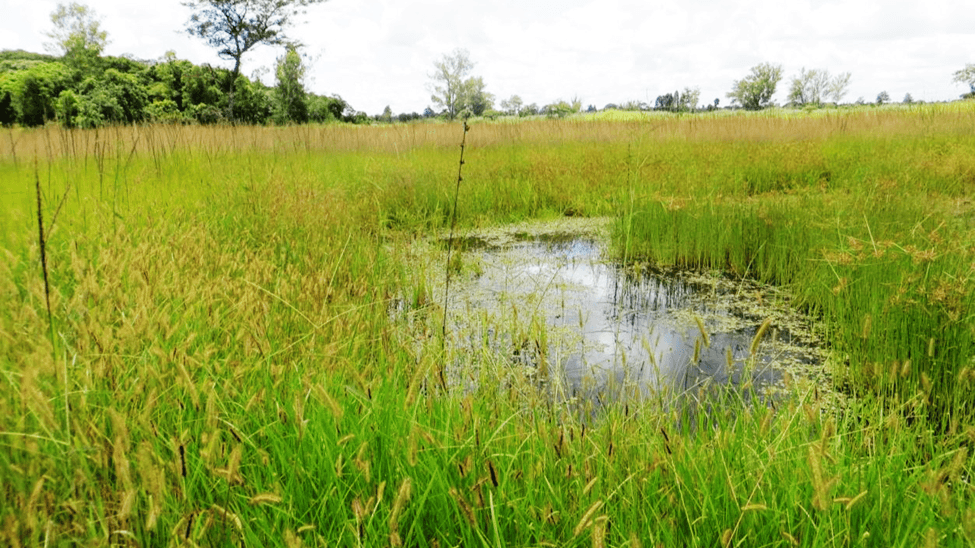
Forests get the headlines, but wetlands store far more carbon per unit area — and losing them could be catastrophic for our climate.
Forests are often touted as the champions of carbon sequestration, but wetlands actually store significantly more carbon per unit area than even the most dense forests.
These oft-overlooked ecosystems are powerhouses when it comes to drawing down and locking away atmospheric carbon. The dense, carbon-rich soils of wetlands can store up to five times as much carbon as forests. And unlike forests, which release their stored carbon back into the atmosphere when they burn or decay, the carbon in wetland soils can remain locked away for centuries.
As the world grapples with the growing threat of climate change, the immense carbon storage potential of wetlands deserves far more attention and protection. Preserving and restoring these remarkable natural carbon sinks should be a key priority in our global efforts to mitigate climate change.
Wetlands as Powerhouses of Carbon Sequestration
On average, wetlands can store up to 5 times more carbon per unit area than even the most productive forest ecosystems. This is because the water-logged, oxygen-poor conditions in wetlands inhibit the decomposition of organic matter, allowing it to accumulate over long periods of time.
The carbon-rich peat soils found in many wetlands are essentially vast underground reservoirs of sequestered carbon. In fact, the world's wetlands contain an estimated 250-535 billion metric tons of carbon - that's nearly equivalent to 100 years' worth of global carbon dioxide emissions at current levels.
And unlike forests, which release their stored carbon back into the atmosphere when they are cleared or burned, the carbon locked away in wetland soils can remain sequestered for centuries, or even millennia, if the wetland ecosystem is left undisturbed.
Protecting and Restoring Wetlands
Given their unparalleled carbon storage abilities, preserving and restoring wetlands needs to be a critical part of any comprehensive strategy to mitigate climate change. Sadly, wetlands have been one of the most heavily destroyed ecosystems on the planet, with an estimated 50-90% of global wetlands having been lost over the past century.
In Zimbabwe, people have made a habit of developing on wetlands, establishing housing projects and destroying these vital ecosystems. Reversing this trend and protecting remaining wetlands should be a top priority. Restoring degraded wetlands can also unlock significant carbon sequestration potential. Studies have shown that wetland restoration projects can cause carbon storage to rebound to near-natural levels within just a few decades.
The Benefits of Preserving Wetlands
Flood and Drought Mitigation: Wetlands act as natural sponges, absorbing and slowly releasing excess water during floods and droughts. This helps regulate water flows, reducing the risk and intensity of flood events while also maintaining water supplies during dry periods. Wetlands are estimated to provide over $23 billion per year in flood damage mitigation services in the US alone.
Water Filtration and Purification: The dense vegetation and complex hydrology of wetlands allow them to filter out sediments, nutrients, and contaminants from water. This natural water purification service helps maintain the quality of both surface and groundwater resources. Wetlands can remove up to 90% of nutrients and pollutants from water flows.
Biodiversity Hotspots: Wetlands are teeming with life, providing critical habitat for a wide variety of plant and animal species. They are home to over one-third of all endangered and threatened species in the US. Protecting and restoring wetlands is essential for preserving global biodiversity.
Coastal Protection: Coastal wetlands like mangroves and salt marshes act as natural barriers, shielding inland areas from the impacts of storms, waves, and sea level rise. They can reduce wave heights by up to 70% and prevent millions of dollars in property damage during extreme weather events.
Recreation and Ecotourism: Wetlands provide immense recreational and economic value through activities like birdwatching, fishing, hunting, and ecotourism. Millions of people visit and enjoy wetland habitats each year, generating billions in revenue.
Given these substantial environmental, economic, and social benefits, the value of investing in wetland conservation and restoration is clear. Protecting these remarkable ecosystems should be a top priority in any comprehensive sustainability and climate resilience strategy.