Mini-grids and off-grid solar solutions are bringing clean electricity to communities that the traditional grid may never reach.
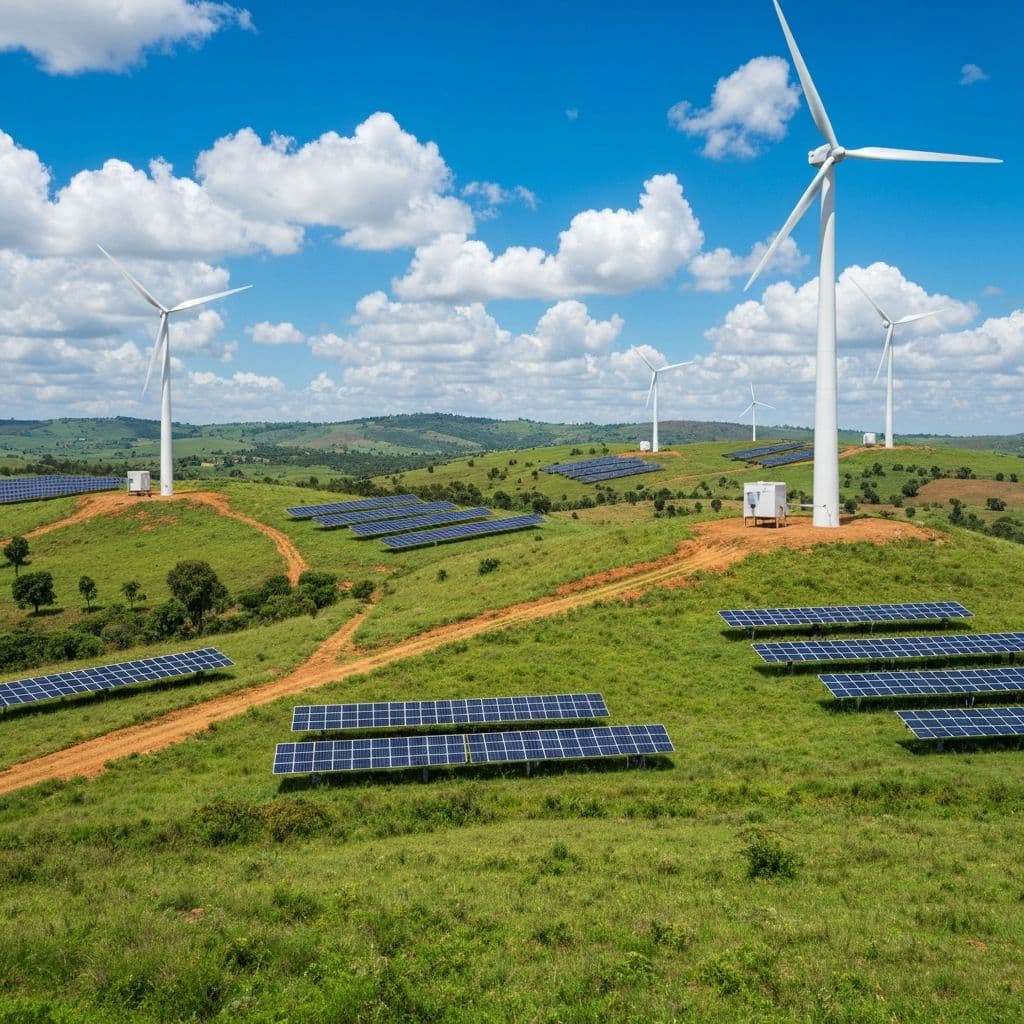
In the village of Kigombo, Tanzania, the arrival of electricity didn't come with the familiar hum of diesel generators. Instead, it came silently, through solar panels mounted on a community building and a battery system that stores power for nighttime use. This solar microgrid, one of thousands being installed across rural Africa, represents a new model for electrification, one that leapfrogs the expensive, carbon-intensive infrastructure of the past in favor of distributed, renewable energy. "We used to spend more on kerosene for lamps than we now pay for electricity," says village elder Joseph Mwangi. "And the children can study at night without breathing smoke." The economics are compelling. Traditional grid extension costs an average of $23,000 per kilometer in rural areas, making it prohibitively expensive for remote communities. Solar microgrids can be installed for a fraction of that cost and generate immediate benefits. Companies like M-KOPA and Zola Electric have pioneered pay-as-you-go models that make solar affordable even for the poorest households. Customers pay small daily amounts via mobile money, eventually owning their systems outright. The impact goes beyond lighting. Solar-powered irrigation pumps are boosting agricultural yields. Cold storage is reducing post-harvest losses. And mobile phone charging, once requiring hours of walking to town, now happens at home. Climate benefits are significant too. Each solar home system displaces roughly one ton of CO2 emissions over its lifetime by eliminating the need for kerosene and candles. "Africa has the potential to build the world's first truly clean energy system," says Dr. Fatih Birol, Executive Director of the International Energy Agency. "The continent can leapfrog the fossil fuel era entirely."