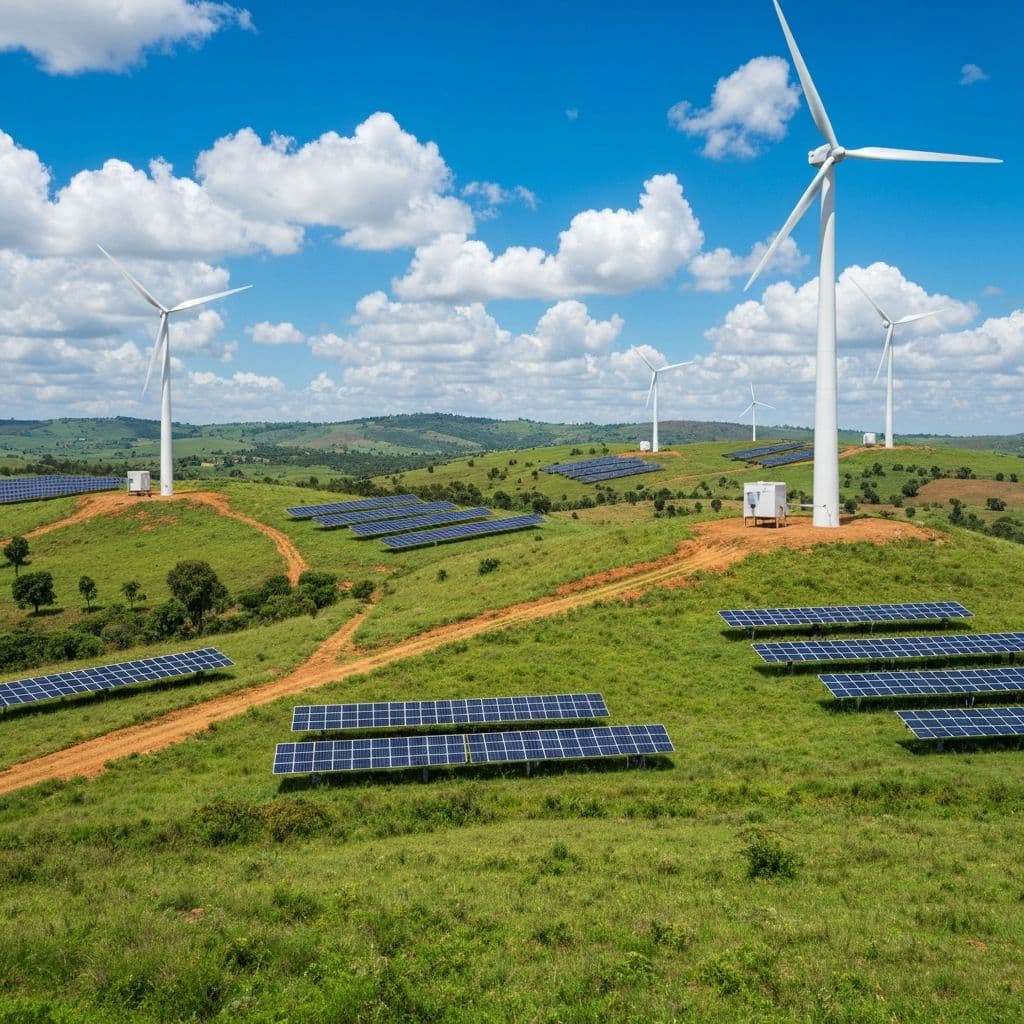
Contrary to popular belief, hotter isn't always better for solar panels. Here's what the science actually says — and what it means for Zimbabwe.
Solar energy has been gaining a lot of popularity in recent years as a clean and renewable source of electricity globally. However, there are still many misconceptions and false information circulating about the performance and capabilities of solar power.
In this article, we'll dive deep into the ideal weather conditions for solar panels and debunk some common solar energy myths in Zimbabwe.
The Optimal Weather for Solar Panels
The common belief is that solar panels work best in hot, sunny weather. While it's true that solar panels do generate more electricity when exposed to direct sunlight, their performance is actually optimized in slightly cooler temperatures. Solar panels are made of photovoltaic (PV) cells that convert sunlight into electrical energy. However, these PV cells become less efficient at higher temperatures. For every 1°C increase in temperature, a solar panel's output drops by about 0.5%. This means that on a very hot day (e.g. 40°C), a solar panel could produce up to 10% less electricity compared to a cooler day (e.g. 20°C).
The ideal temperature range for maximum solar panel efficiency is between 15-25°C. Locations with moderate climates that experience sunny days with comfortable temperatures are therefore the most suitable for solar power generation.
Where in Zimbabwe Do Solar Panels Perform Best?
The Midlands and Matabeleland Regions: These central and southern regions of Zimbabwe experience a warm, semi-arid climate with plenty of sunshine throughout the year. The average temperatures range from 15°C to 30°C, which is the ideal range for maximum solar panel efficiency. These regions also receive around 3,000 hours of sunshine per year on average, making them some of the sunniest parts of the country.
The Lowveld Region: The Lowveld region, which includes areas like the Limpopo and Zambezi Valleys, has a hot, semi-arid climate. Temperatures often reach above 30°C, which is slightly warmer than the optimal range, but the abundance of sunshine makes it still a very suitable location. The Lowveld receives around 2,500 to 3,000 hours of sunshine annually.
The Eastern Highlands: Although this region experiences slightly cooler temperatures due to higher elevations, it still has excellent solar potential. The average temperatures range from 10°C to 25°C, which is within the optimal range for solar panels. The Eastern Highlands receive around 2,000 to 2,500 hours of sunshine per year.
It's important to note that even areas with slightly higher or lower temperatures than the optimal range can still benefit from solar power, just at a slightly reduced efficiency. The key factors are the abundance of sunshine and the overall climatic suitability of the location.
Debunking Solar Myths
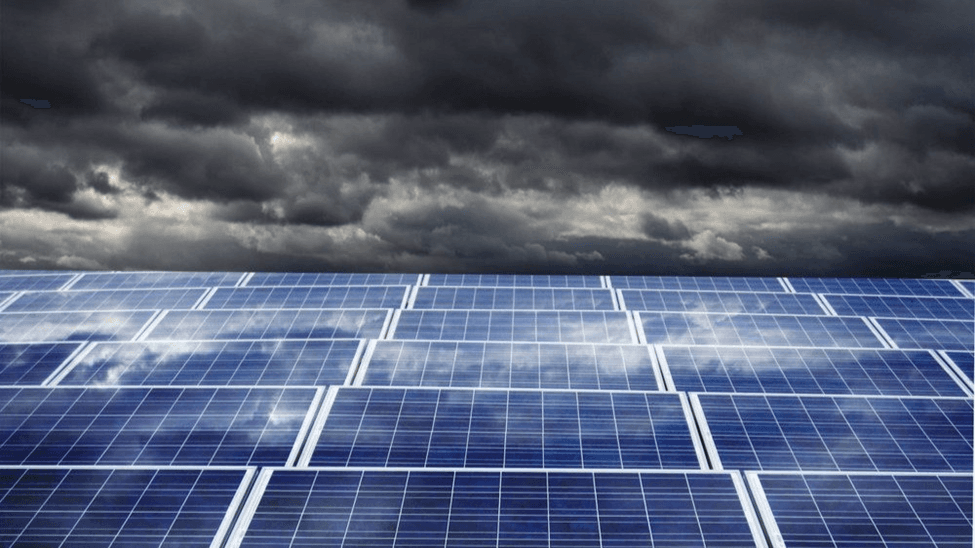
Myth 1: Solar panels don't work on cloudy days. This is false. Solar panels can still generate electricity on cloudy days, just at a reduced capacity. Sunlight is scattered and diffused by cloud cover, but PV cells can still convert this indirect light into usable electricity. On an overcast day, solar panels may only produce 10-25% of their full capacity, but they will still contribute to your renewable energy needs.
Myth 2: Solar panels require a lot of maintenance. In reality, solar panels require very little maintenance. They have no moving parts, so there's no risk of mechanical failure. Homeowners only need to occasionally clean the panels to remove dirt and debris, which can slightly reduce their efficiency. Otherwise, solar panels are extremely durable and reliable, with most able to operate for 25-30 years with minimal upkeep.
Myth 3: Solar energy is too expensive. While the upfront cost of installing a solar system can be high, the long-term savings on electricity bills make it a worthwhile investment. Solar panel prices have dropped by over 60% in the last decade, and with government incentives and tax credits, the payback period is becoming shorter. Many homeowners find that solar energy pays for itself within 8-12 years, after which it's pure savings for the remaining lifetime of the system.
In conclusion, the optimal weather conditions for solar power are moderately warm, sunny days - not the hottest, sunniest days as many people believe. And with plummeting costs and minimal maintenance requirements, solar energy is more accessible and affordable than ever before.