Biodiversity credits are a new way to pay communities directly for protecting nature, moving beyond unpredictable charity funding.
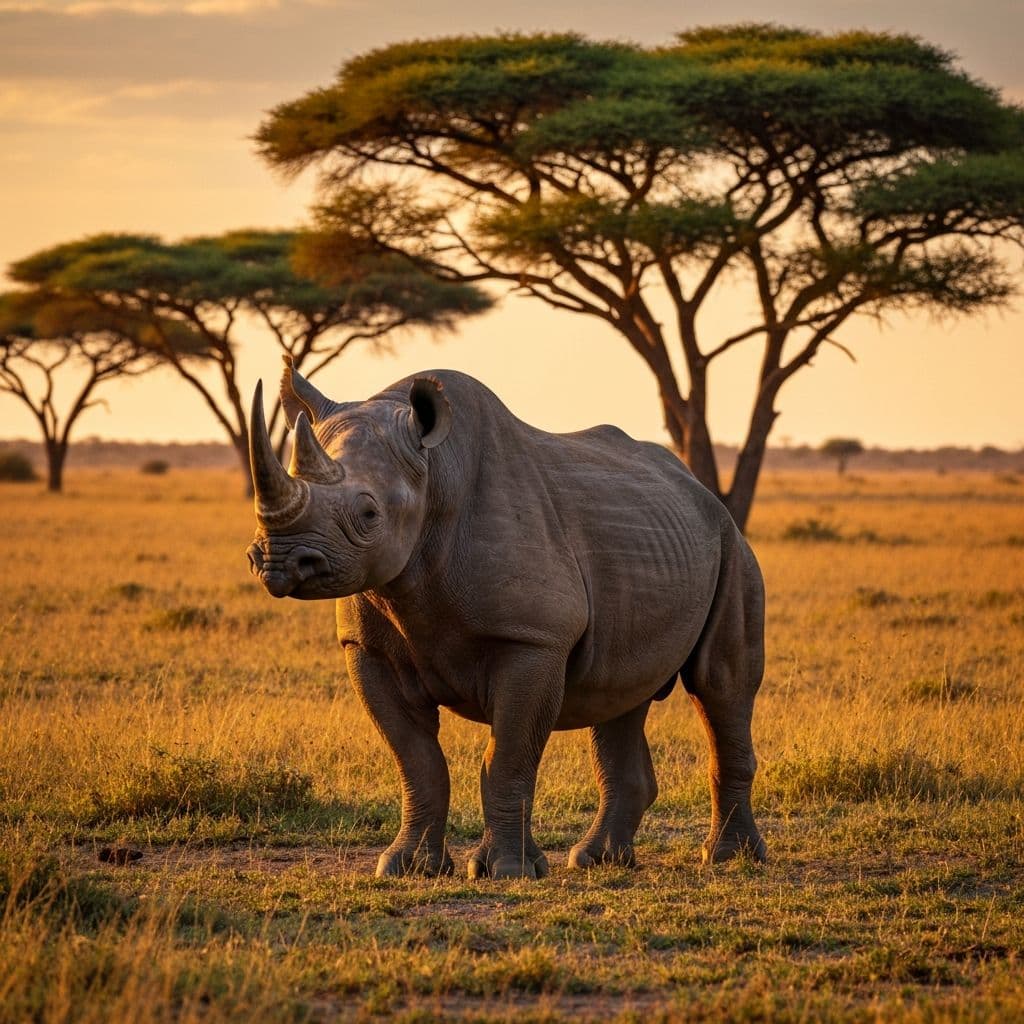
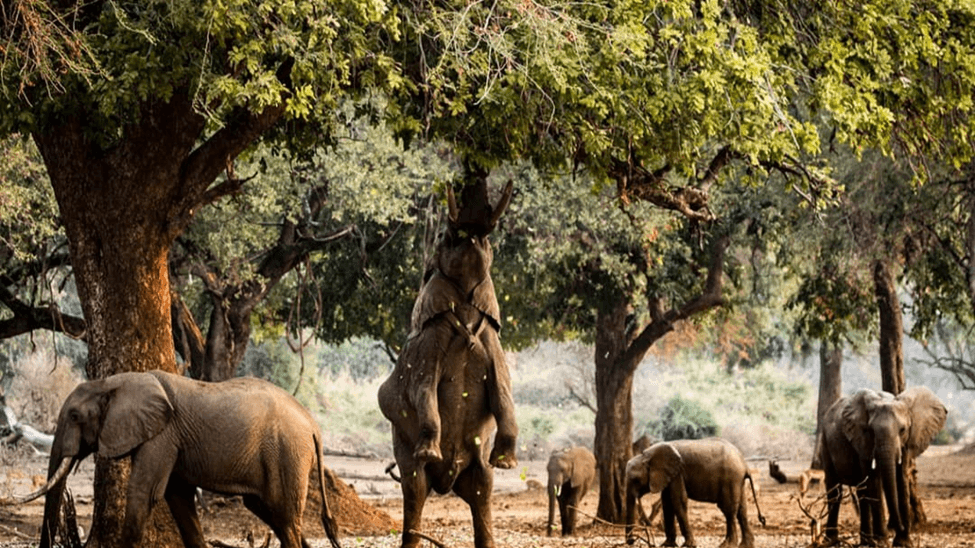
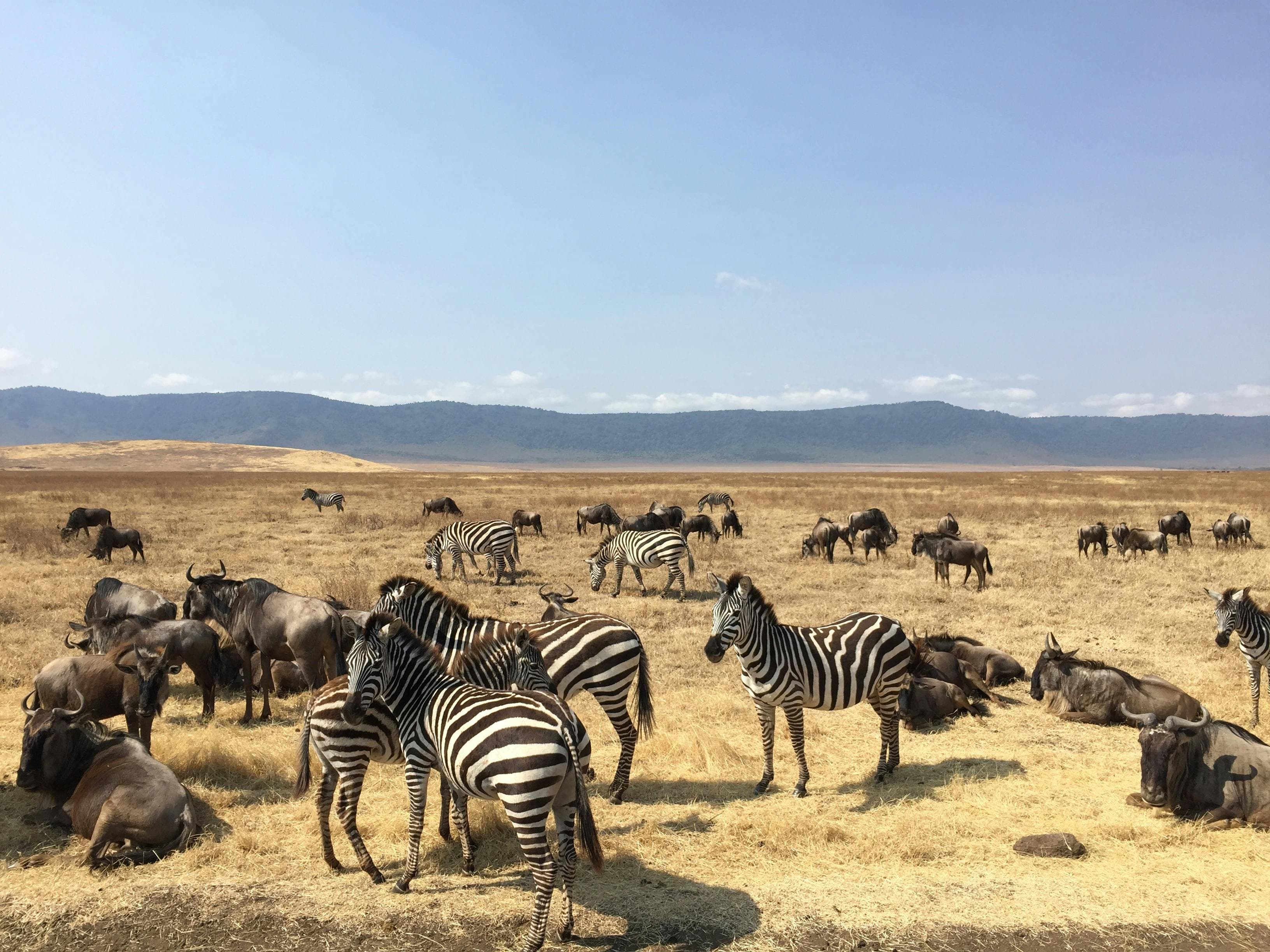
For decades, the survival of Nairobi's famous wildlife depended on a thin strip of land. The Kitengela wildlife corridor, a vital passage connecting Nairobi National Park to the plains beyond, allowed elephants, lions, and zebras to roam freely. But this corridor lies on private, community-owned land, and for years, it relied on unpredictable donor funding to stay open.
When that funding dried up, the future of the park's wildlife, and the corridor itself—hung in the balance.
Now, a new idea is offering a lifeline: biodiversity credits.
What Are Biodiversity Credits?
Think of them as a cousin to the more well-known carbon credits. While a carbon credit represents a ton of pollution avoided, a biodiversity credit is a way to pay for nature restored or protected. A company, for example, might buy credits to fund the conservation of a forest, a wildlife corridor, or an endangered species' habitat, as part of its commitment to being "nature-positive."
In 2024, the Kitengela corridor became one of Kenya's first pilot projects for this new funding model. Using a system developed by Nairobi-based startup EarthAcre, landowners are now mapped and paid based on the size of the land they keep open for wildlife. Camera traps track the animals that use the passage, proving the conservation impact. It’s a shift from relying on charity to building a community-based conservation business.
A Growing Movement Across the Region
The idea is gaining momentum across East Africa. Similar pilot projects are emerging to fund the protection of:
Seagrass meadows in Kenya's Vanga Bay.
The Kitenden wildlife corridor in Tanzania.
Mountain gorillas in Rwanda and the DRC.
Chimpanzees in Uganda.
The need is urgent. According to the UN, the world needs hundreds of billions of dollars annually to stop biodiversity loss. Africa alone requires an estimated $950 billion, far more than governments and charities can provide.
After a landmark 2022 UN agreement to protect nature, global interest in finding private money for conservation has exploded. Biodiversity credits are seen as a promising tool to bridge this massive funding gap.
The Challenge: Building Trust
But creating a new kind of market isn't easy. The biggest hurdle, according to experts, is trust.
"The trust issue is the biggest thing holding back this market," says Viraj Sikand, CEO of EarthAcre. "From a landowner perspective, from a buyer perspective, and even the auditors." His company's technology aims to solve this by providing transparent, verifiable data on the ecological benefits being delivered, ensuring that a credit truly represents real-world conservation.
A New Tool, Not a Silver Bullet
Conservation groups are excited about the potential but urge caution. Tourism and donor funding are vital but can be wiped out by a single pandemic or global crisis. Biodiversity credits offer a way to diversify income and make conservation more resilient.
However, experts warn they are not a magic fix.
"I don't believe it’s a silver bullet," says Salisha Chandra of the conservation non-profit Maliasili. "It’s another tool in the kit. And importantly, they need to be well designed so that they don't perpetuate the issues we have faced with other financing mechanisms."
For now, the biodiversity credit market is small and experimental. But for the communities in Kitengela, and for the wildlife that depends on their land, it represents something invaluable: a new reason to keep the corridors open and a new way to value the wild.