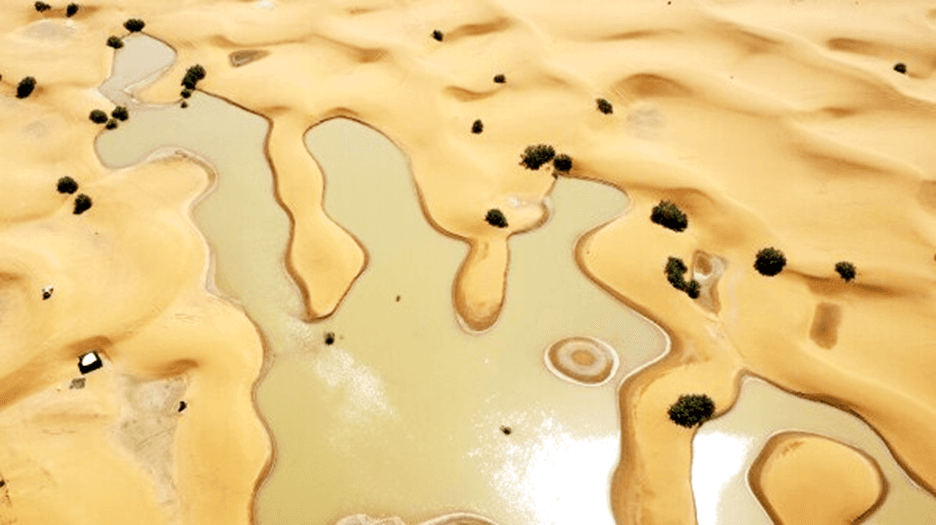
A rare and extraordinary deluge transformed the Sahara Desert in Morocco, creating shimmering lagoons — and raising urgent questions about climate change.
Imagine standing in the heart of the Sahara Desert, where the golden sand stretches endlessly under the blazing hot sun. Now picture this vast expanse suddenly transformed overnight by a rare and unexpected deluge, creating shimmering blue lagoons amid the dunes and palm trees. Just recently, southeastern Morocco experienced just that - a remarkable weather event that brought heavy rainfall, reshaping the landscape in ways that many locals had never witnessed in their lifetimes.
This extraordinary rainfall not only painted a new picture of the desert but also carried profound implications for the environment and the communities that call this arid region home.
A Historical Rainfall
The magnitude of the recent rainfall in Morocco is nothing short of astonishing. The Moroccan government reported that just two days of rain in September exceeded the annual averages for several regions that typically receive less than 250 millimeters (10 inches) of precipitation. In Tagounite, more than 100 millimeters (3.9 inches) fell within a single day. For those who live in these arid areas, such quantities are a rare gift. Houssine Youabeb from Morocco's General Directorate of Meteorology captured the moment perfectly, stating, "It's been 30-50 years since we have had this much rain in such a short space of time."
This historical rainfall has not only brought much-needed water but has also sparked a sense of hope among the local communities, many of whom rely on agriculture and natural resources for their livelihoods.
Ecological Impact
The recent rainfall has done much more than just create stunning visuals; it has revitalized the delicate ecosystems of the Sahara. NASA satellites captured remarkable images of water filling into Lake Iriqui, a lake bed that had been dry for 50 years. The sudden influx of water has turned dry, cracked earth into lush, vibrant landscapes, creating a unique oasis in what is typically one of the harshest environments on the planet.
This transformation is crucial for local flora and fauna, as the additional moisture supports the growth of vegetation that had struggled to survive in the arid conditions. The blue lagoons have become temporary habitats for migratory birds and other wildlife, restoring a sense of biodiversity to an area that has long been characterized by its starkness.
However, this unexpected bounty also raises questions about the long-term sustainability of such changes. The balance between utilizing this newfound water and protecting the fragile ecosystem will be critical as the region navigates these changes.
Effects on Local Communities
For the people of the Sahara, particularly in desert towns like Merzouga, this rainfall has brought a mix of hope and concern. On one hand, the replenished groundwater aquifers provide a much-needed resource for drinking water and agriculture. However, the storms were not without their dangers. Tragically, over 20 lives were lost in Morocco and Algeria due to flooding. Many farmers faced damage to their fields and livestock, prompting government intervention and emergency relief efforts.
Climate Change Considerations
The recent deluge in the Sahara raises important questions about the broader implications of climate change on weather patterns in the region. Meteorologists suggest that this extratropical storm could signal a shift in the climate dynamics of the Sahara. While the current rainfall has brought much-needed relief, experts warn that increased evaporation rates could follow, potentially creating a cycle of extremes - periods of drought punctuated by sudden, heavy rainfall.
A Call for Sustainable Practices
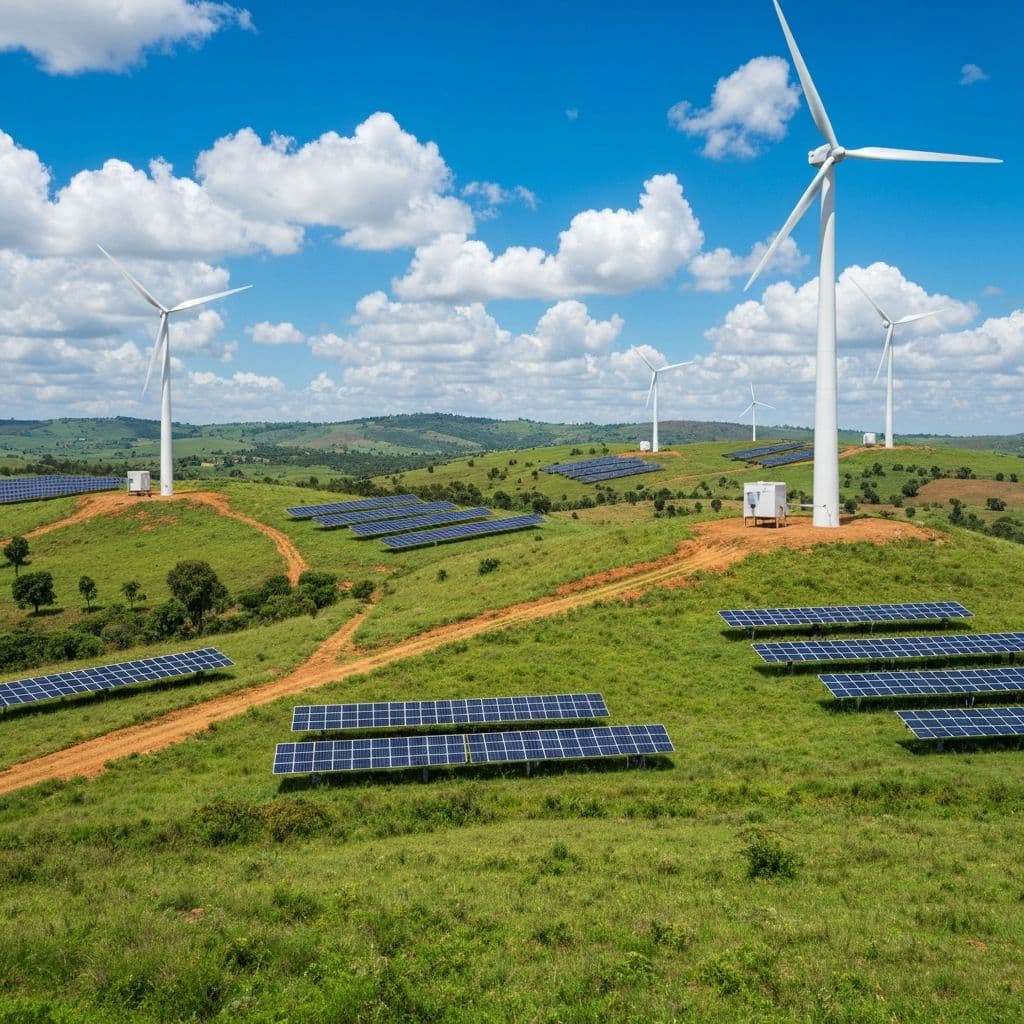
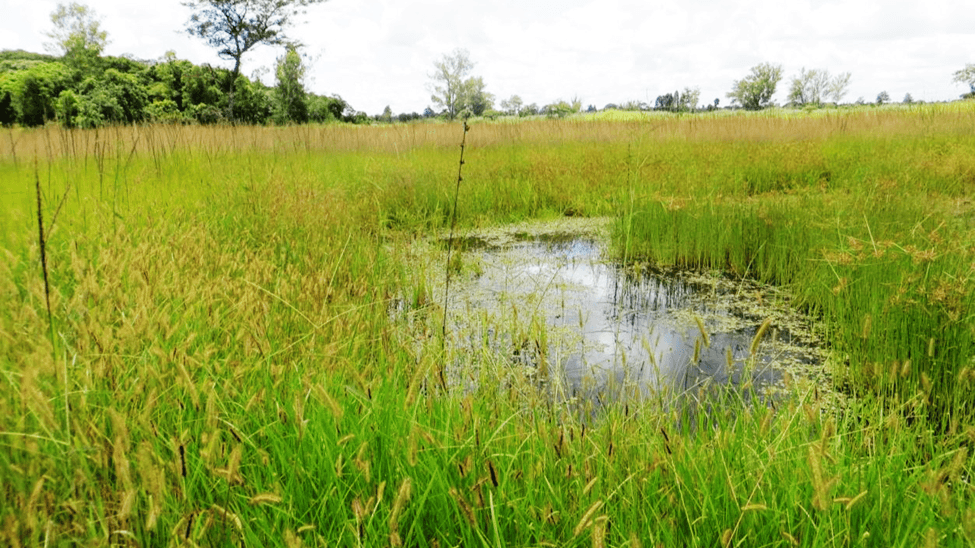
As the Sahara undergoes this remarkable transformation, it's essential to reflect on the importance of sustainable practices that can help communities adapt. Implementing techniques such as rainwater harvesting can help communities store excess water for use during drier months. Improved irrigation systems that conserve water while maximizing agricultural output will be crucial as farmers seek to capitalize on the newfound moisture. Additionally, restoring natural wetlands can play a significant role in maintaining biodiversity and stabilizing the local ecosystem.
The Sahara's recent transformation serves as a reminder of nature's unpredictability and resilience, and makes us all consider our role in protecting and managing the delicate balance of our ecosystems, especially in the face of climate change.