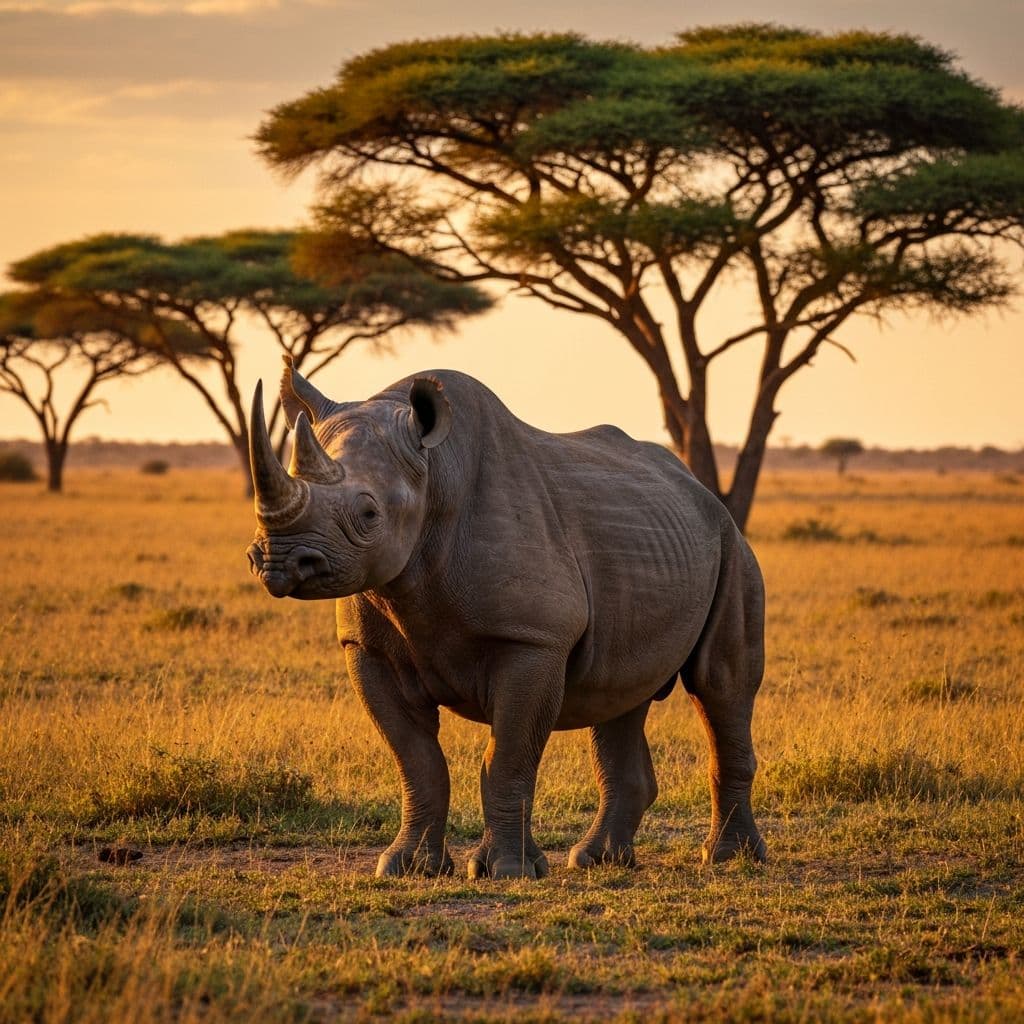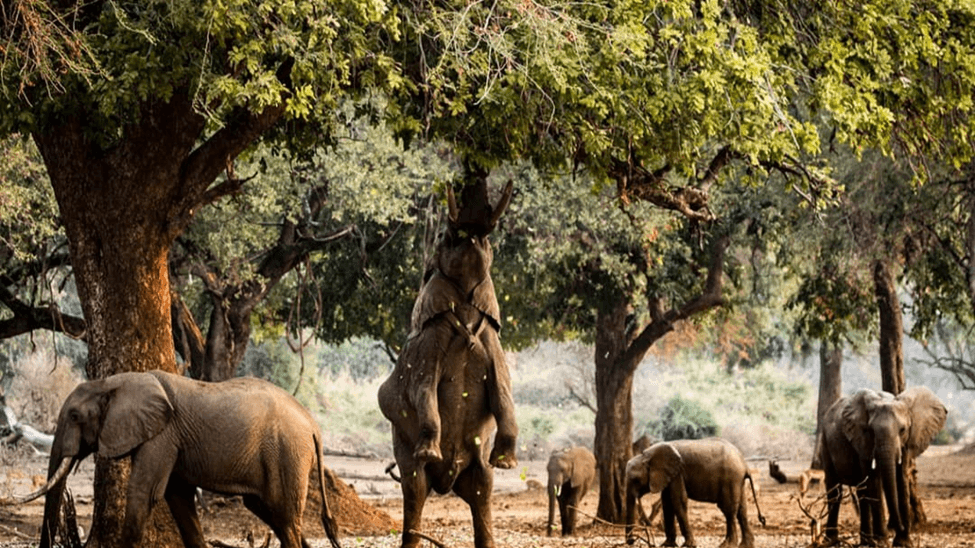
When we think of wildlife, our minds drift to elephants marching across the savanna, lions resting in the shade. But this World Wildlife Day, March 3, 2026, the global community is asking us to look closer, at the roots, leaves, and bark that form the foundation of both ecosystems and human societies.
The theme for 2026, "Medicinal and Aromatic Plants: Conserving Health, Heritage and Livelihoods," marks a significant shift. For the first time, the United Nations places plants at the center of the conversation, recognizing that wildlife conservation extends far beyond animals. In Zimbabwe and across Africa, this theme resonates deeply. The Unseen Wildlife Medicinal plants are not merely botanical specimens, they are the bedrock of healthcare systems, repositories of ancestral knowledge, and economic lifelines for millions. Consider these numbers: An estimated 50,000 to 70,000 plant species are harvested globally for medicinal use In the developing world, approximately 80 percent of people rely on plant-based medicine for primary healthcare The traditional medicine market is valued at around USD 250 billion and growing Yet nearly 90 percent of these plants are still harvested from the wild. Of the 1,500 medicinal species listed in CITES Appendices, over 800 appear in Appendix II, meaning they may become threatened if trade isn't carefully regulated. Zimbabwe's Commitment This Tuesday, Zimbabwe commemorates World Wildlife Day alongside Africa Environment (Wangari Maathai) Day at the National Parks headquarters in Harare. The dual celebration—with Africa Environment Day themed "Biodiversity and Traditional Knowledge: Conserving Health, Heritage and Livelihood", creates a powerful platform for national reflection. According to the Ministry of Environment, Climate and Wildlife, these commemorations "provide a platform to celebrate biodiversity, raise public awareness and reaffirm national commitment to conserving natural resources." The Ministry's statement underscores why this focus matters: "These medicinal plants are integral to Zimbabwe's ecosystems and traditions, yet face growing threats from habitat loss, overharvesting and illegal trade. Their conservation is therefore a national and global priority." Zimbabwe's recently completed National Biodiversity Strategy and Action Plan prioritizes sustainable use of wild species and acknowledges Indigenous knowledge systems, creating a roadmap for protecting our floral wealth. The African Context: Challenges and Opportunities Across Africa, the story is similar. In Uganda, officials warn that species such as Prunus africana and Warburgia ugandensis; both widely used in traditional medicine, are increasingly threatened by unregulated harvesting. But within challenges lie opportunities. Uganda is pioneering herbal and medicinal tourism, expanding beyond traditional safaris toward immersive, heritage-based experiences. "This is a market Uganda can competitively enter," said Juliana Kaggwa, CEO of the Uganda Tourism Board, noting that Thailand attracts millions annually through culture-driven tourism. Zimbabwe could follow a similar path. With diverse ecosystems supporting hundreds of medicinal species, and rich Indigenous knowledge; the potential for community-based herbal enterprises and wellness tourism remains largely untapped. Traditional Knowledge: The Invisible Thread Indigenous and local communities have, for centuries, understood the properties, harvesting methods, and sustainable use of these species. This knowledge represents living heritage, but it is rapidly eroding as younger generations disengage and plant resources decline. Tuesday's commemorations in Harare bring together traditional healers alongside researchers, students, and environmental organisations. These dialogue platforms, exactly the kind of cross-sector engagement The Conservation Compass champions, are essential for developing solutions that work for both people and biodiversity. Technology Meets Tradition The Ministry notes that "technology is also being harnessed to enhance environmental protection, with tools such as drones, camera traps, satellite imagery and artificial intelligence supporting real-time monitoring." While often discussed in the context of animal poaching, these tools have equal application in monitoring illegal harvesting of protected plant species. Ancient knowledge meeting modern technology, a powerful combination. As Zimbabwe marks World Wildlife Day 2026, the message is clear: medicinal and aromatic plants are not a niche concern but a central pillar of biodiversity, public health, cultural preservation, and economic development. Because ultimately, wildlife conservation isn't just about saving the elephants and lions. It's about saving everything that holds it together. World Wildlife Day is celebrated annually on March 3. The 2026 theme invites us to rediscover the plants that represent cultural heritage and support livelihoods while holding immense value for human and planetary health.