In a bid to reduce biodiversity loss and tackle effects of climate change, WWF Zimbabwe has launched a new blueprint titled the “Zimbabwe WWF Strategic Plan 2026–2030.
By John Cassim
In a bid to reduce biodiversity loss and tackle effects of climate change, WWF Zimbabwe has launched a new blueprint titled the “Zimbabwe WWF Strategic Plan 2026–2030.” The plan aims to bring lasting benefits to both people and nature across the country’s most important ecological corridors, many of which are shared with neighboring countries.
The new plan shifts away from organizing projects around separate, isolated topics—such as specific habitats, individual species, or environmental footprints. In the past, this approach led to disconnected projects and missed opportunities for teamwork. Instead, this shift marks a strategic evolution. By matching conservation work directly with real-world conditions on the ground, the new strategy is designed to boost overall impact, efficiency, and resilience.
Under this plan, the Kavango Zambezi Transfrontier Conservation Area - KAZA TFCA landscape in north-western Zimbabwe will remain the core focus of WWF Zimbabwe’s work, making up about 90% of its projects. At the same time, WWF will support research and community consultations to explore expanding into the Mid-Zambezi Catchment and other southern areas. These regions are rich in miombo woodlands and forests, offering strong opportunities for future projects beyond 2025.
These new projects will move away from old, rigid categories. Instead, they will combine forest restoration, wildlife protection, climate adaptation, community empowerment, and eco-friendly ways of earning a living into unified, area-specific strategies.
During the launch of the strategy, Itai Chibaya, Country Coordinator for WWF Zimbabwe, emphasized that it was no longer business as usual.
“Where nature thrives, tourism thrives, jobs grow, and economies expand. But we must also confront the other side of that reality. If ecosystems decline, the economy follows. Colleagues, let us be direct about where we are. Zimbabwe continues to face rapid deforestation, increasing climate shocks, affecting agriculture, and other livelihood options that millions depend on, and also our in-fed assistance for agriculture. Of course we are making progress, but we are moving at a scale or speed that we probably do not require. We need to accelerate. And if we are honest, incremental change will not get us to where we need to go. So the question is not whether we act, it is whether we act differently. Because conservation today is no longer about protected areas alone, it is about the entire landscapes,” he said.

Meanwhile, the Mid-Zambezi Valley is one of Zimbabwe’s most biologically rich and ecologically strategic landscapes. It is anchored by Mana Pools National Park, Sapi, and Chewore Safari Areas, which form part of a 10,500-square-kilometer UNESCO World Heritage Site and lie within a critical transboundary corridor that connects to Zambia’s Lower Zambezi landscape across the Zambezi River.
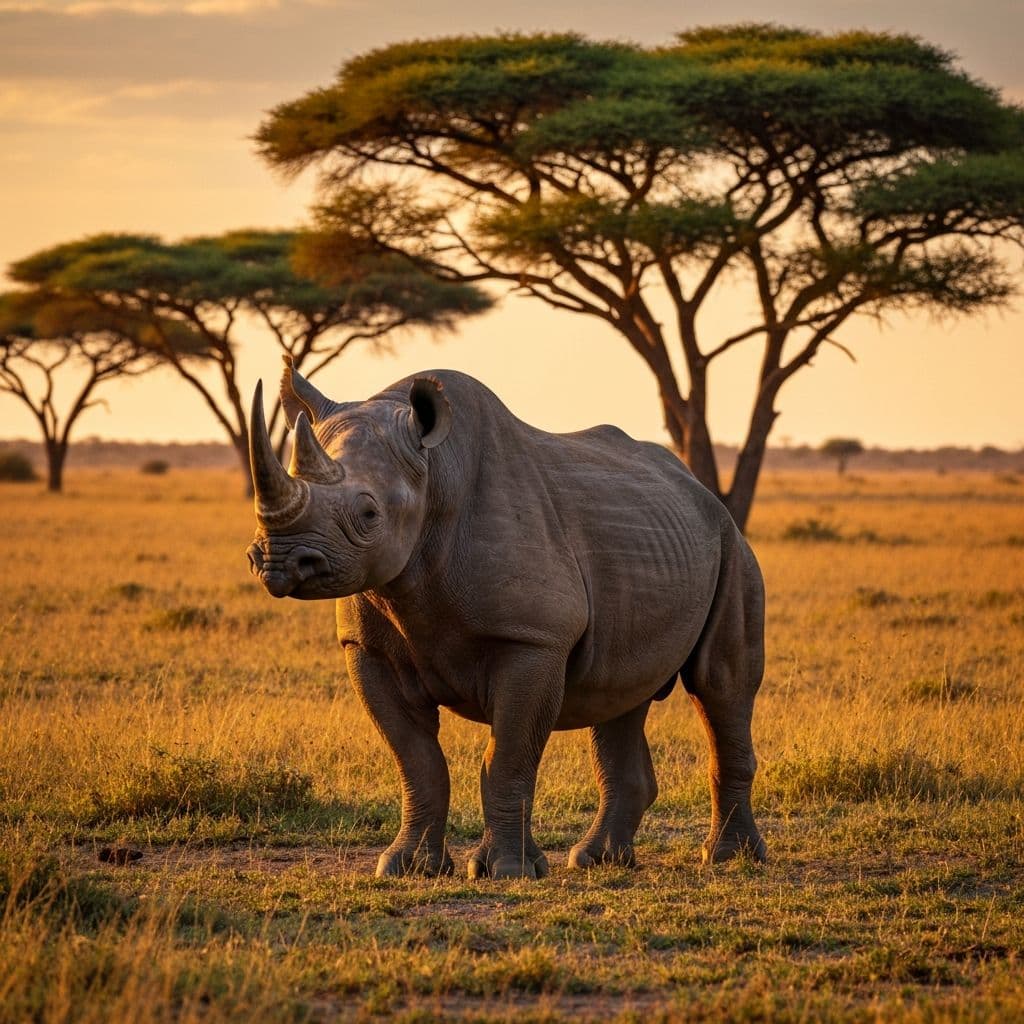
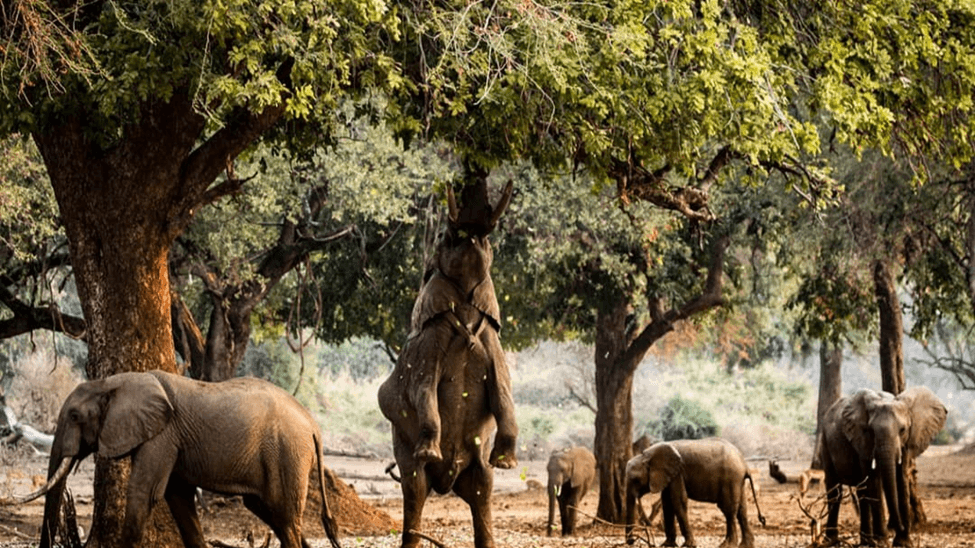
The Mid-Zambezi landscape spans approximately 20,000 square kilometers and is characterized by a diverse mosaic of riparian forests, floodplains, mopane and miombo woodlands (estimated at 35,000 square kilometers or 3,500,000 hectares), and escarpment ecosystems. These habitats support more than 390 species of birds, over 100 mammal species, and numerous threatened taxa. Notably, the area is home to one of Zimbabwe’s last viable populations of black rhinoceros (Diceros bicornis), along with significant numbers of elephants, hippos, buffalo, lions, and leopards. The river itself is home to over 75 species of freshwater fish and supports key wetland systems of international importance.

On the other hand, the Kavango-Zambezi Transfrontier Conservation Area is the largest terrestrial conservation landscape of its kind in the world, straddling five Southern African countries: Angola, Botswana, Namibia, Zambia, and Zimbabwe. With a combined area of approximately 520,000 square kilometers, KAZA represents one of the most ambitious conservation collaborations globally. The region is home to around 2.7 million people, many of whom live along the lifelines of the Okavango and Zambezi Rivers, relying on natural resources for their livelihoods, culture, and survival.
Ecologically, KAZA is a richly diverse landscape characterized by expansive miombo woodlands, wetlands, savanna rangelands, and riparian systems. It supports some of Africa’s most iconic and threatened wildlife species and plays a critical role in maintaining ecological connectivity across international borders. In total, the area comprises 20 national parks, 85 forest reserves, over 100 community-based wildlife areas, and three UNESCO World Heritage Sites: Victoria Falls, the Okavango Delta, and Tsodilo Hills.
Within Zimbabwe, the KAZA landscape spans the country’s north-western region, linking protected areas such as Hwange National Park, Matetsi Safari Area, Kazuma Pan National Park, and surrounding communal lands. This mosaic forms a key ecological corridor for elephants and large carnivores, enabling seasonal migrations and gene flow between protected ecosystems across national boundaries.